


 (65) 6908 8969
 (65) 6908 8969
Seven Ways How To Stop Nosebleeds

Do you or your children keep suffering from nosebleeds? Nosebleeds can be rather distressing to deal with as your nose can bleed quite heavily. Both children and adults may suffer from recurrent nosebleeds. There are many different causes of nosebleeds out there. These can range from nasal allergies, to sinus infection and rare nasal tumours! Nose cancer and lymphoma can sometimes present early with persistent nosebleeds ….
If you keep getting nosebleeds, please see your friendly ENT specialist in Singapore to have your nose checked out!
But before you see your ENT doctor, what simple things can you do to stop your pesky nosebleeds from recurring?
Here are Dr Annabelle’s Seven Magic Tips to stop Nosebleeds:
1. STOP DIGGING YOUR NOSE AND BLOWING YOUR NOSE
Any form of nose-picking, whether it’s just simple rubbing or full-on digging with your long fingernail, can cause your nose to bleed!
Many blood vessels form a network just at the front of your nose, called “Little’s area”. So traumatising this delicate area with repeat rubbing or digging is most surely a risk factor for nosebleeds. Putting your fingers up your nasal passages also introduces bacteria, increasing the risk of infection. Some people like to clip their nose hairs with various devices. This habit can lead to a nasty nose infection.
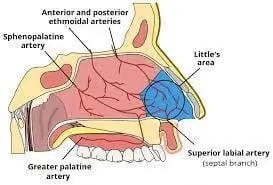
If you really must blow your nose, please do this gently. Avoid keeping long fingernails because dirt and bacteria tend to grow easily under your fingernails.
2. Treat your Nasal Allergies properly (Allergic Rhinitis)
Many children and adults suffer from undiagnosed allergic rhinitis (nasal allergies). Allergic rhinitis makes your nose congested, itchy and runny. It causes frequent bouts of sneezing and watery eyes too. If your nose feels itchy and irritated due to nasal allergies, then you will likely want to dig and rub your nose.
Allergy testing is the keystone of managing nasal allergies properly. Very often, patients get prescribed nasal steroid sprays, decongestants and antihistamines. But what is the actual cause of their allergic rhinitis? That is the most important question to answer!
Prolonged use of daily nasal steroid sprays and decongestants is also a risk factor to suffer recurrent nosebleeds. Why? The nasal lining may become thin and dry due to overuse of such medications. If this occurs, then please give your poor nose a break. Stop using the nasal steroids sprays! Don’t take decongestants such as Telfast-D for longer than 7 days. Side effects include hypertension, palpitations and sleep disturbance due to systemic absorption into your body.
3. Keep Your Nasal Passages Nice and Moist
In winter, the air is much drier and colder. This is typically what I call “nosebleed weather”! You will notice that nosebleeds may occur more often in winter or during flights.
When the air is dry and cold, the nasal lining may become cracked and inflamed. Crusty dried bogeys may form, irritating your nose further. If you now dug your nose, there would be a higher risk of a nosebleed. One simple way to prevent nosebleeds is to apply a thin layer of Vaseline or antibacterial ointment inside your nostrils with a clean cotton bud.
Protecting the delicate inner lining of your nasal passages will prevent nosebleeds when you breathe in cold dry air.
4. Use saline nasal sprays and humidifiers
Following on from our discussion about dry climates and nosebleeds, the use of humidifiers and saline sprays can help lubricate your nose.
Some patients use humidifiers in their bedroom at night to add moisture to the cold dry aircon air. Making sure your aircon temperature is not too cold is also a good idea.
The use of nasal saline sprays a few times everyday is also helpful to prevent nasal dryness. Whether you choose a saline douche like Sinus rinse or just a gentler nasal saline spray like Sterimar, is up to you. Our younger kiddie patients like our Flo-Baby saline spray a lot!
5. Avoid Nasal Irritants To Stop Nosebleeds
Many people are naturally sensitive to strong intense odours. But for those who have underlying nasal allergies, this reaction of your nose to such sharp smells may be more severe!
Some irritants in the air or environment can easily trigger a bleed. Cigarette smoke, heavy perfume, pollution and cleaning chemicals may trigger an “allergic reaction” in your nasal passages. So this will make you sneeze, feel congested and have a runny nose. It would therefore be sensible to avoid such smell irritants as much as possible. Sneezing tends to raise the pressure inside your nose and may trigger nosebleeds from Little’s area.
If you really have no choice but to remain exposed to such irritants, then perhaps you could put on a mask to minimise breathing these chemicals into your nose. Making sure that your surroundings are well-ventilated may also be beneficial.
6. Treat Your Sinus Infection To Stop Nosebleeds
Sometimes, there may actually be a sinus infection brewing inside your nose! Infection makes the lining of your nose inflamed, making it bleed more easily. Suffering facial pain, thick yellow mucus with a fever and nasal congestion are signs of a likely sinus infection. So you would most probably need to start a course of antibiotics such as Augmentin or Klacid as soon as possible. Using a sinus rinse 2-3 times daily to clean out your nasal passages also helps a lot.
Constant blowing of your nose and sniffing with sneezing are also risk factors for suffering nosebleeds. These habits just irritate an already inflamed nose, making your nose even unhappier! So it’s best to avoid doing such maneouvres to your poor nose in general.
7. Drink more water to Stop Nosebleeds!
When you don’t drink enough water, especially in hot weather, then you may notice that you suffer more frequent nosebleeds. If you are dehydrated, then your skin and mucous mebranes of your nose are also dried out, cracking easily and causing bleeding from inside your nose.
The weather in Singapore can get rather hot so it’s a good idea to carry a water bottle with you at all times to drink water regularly and maintain good hydration the whole day.
So here’s hoping that by following the above 7 tips to prevent nosebleeds, you or your child will breathe well with no more nosebleeds in future!
Share this blog via: