


 (65) 6908 8969
 (65) 6908 8969
Ear Pain and Flying: How To Help Pop your Ears
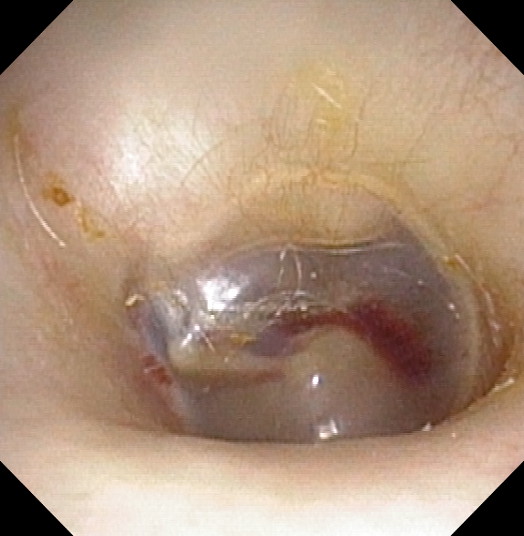
PRESSURE-RELATED TRAUMA DURING A FLIGHT
As an experienced ENT specialist in Singapore, we see many children and adults with ear problems. One of the most common conditions is eardrum trauma after a recent flight. Ear problems during a flight are usually related to difficulties with equalising the pressures between the ears and the nose.
WHY IS THE EUSTACHIAN PRESSURE SO IMPORTANT?
The Eustachian tube is a muscle-lined tube which joins the space behind the eardrum with the back of the nose. It usually stays closed at rest. Your body will try to actively open it by swallowing, yawning, chewing gum or sucking a sweet. This also includes gently blowing out through your nose with your nose pinched shut and your mouth closed.
WHAT HAPPENS IF MY EUSTACHIAN TUBE DOESN’T OPEN PROPERLY?
If the Eustachian tube doesn’t open properly, it can lead to severe ear pain and blocked ear sensation. Sometimes, the eardrum becomes so severely traumatised from the pressure building up behind the eardrum. The delicate blood vessels of the eardrum may rupture, leading to a collection of blood trapped behind the eardrum. This is called ear barotrauma (pressure-related trauma).
Sometimes, the eardrum may even perforate to leave a large hole, leading to risk of ear infection and hearing loss.
Pressure equalisation during flight descent is much more difficult to achieve than during flight takeoff. As the plane descends, the air pressure in the flight cabin slowly increases. So the pressure outside the eardrum and at the back of the nose is higher than the pressure behind the eardrum itself. So this leads to a relative negative pressure building up in the space behind the eardrum. This negative pressure change “locks” the Eustachian tube closed.
HOW DO I HELP MY EUSTACHIAN PRESSURE TUBES TO “POP” OPEN?
Most people are able to “pop” their Eustachian tubes open by talking, yawning, chewing gum or sucking a sweet. Babies are encouraged to either breastfeed or feed from a bottle but their Eustachian tubes tend to be much less developed. Hence the babies are usually the ones most at risk of pressure equalisation problems. Hence the loud screaming and crying from babies when planes descend to land!
SHOULD I FLY IF I HAVE A BAD COLD OR THE FLU?
Did you know that if you suffer from a bad cold or flu, you shouldn’t fly? When you haven’t fully recovered yet, there is a higher risk of eardrum barotrauma. You will find it more difficult to equalise the eardrum pressures due to swelling of the Eustachian tube from the flu or cold. Ear popping sounds are common when this happens. If you are unable to clear the ears with the usual methods of yawning, swallowing, sucking a sweet or gently blowing your nose with the nose pinched shut, then ear pain starts to build up due to the Eustachian pressure tube becoming congested. The poor Eustachian tube then fails to pop open as a pressure release valve.
For a small group of patients who fly frequently and keep on suffering ear barotrauma due to difficulties equalising their eardrum pressures, one option is to have a tiny ventilation tube inserted into their eardrums. The ventilation tube takes over the job of the faulty Eustachian tube and there will no longer be problems trying to equalise the middle ear pressures afterwards.
Dr Annabelle’s tips to prevent Airplane Ear:
- When the plane starts to descend, gently blow the nose with the nose pinched shut and mouth closed to “pop” open your Eustachian tubes.
- Spraying a nasal decongestant spray like Afrin, Otrivine or Iliadin can help to open up the Eustachian tubes.
- Chewing gum, swallowing repeatedly, sucking a sweet and yawning are simple ways to try to “pop” your Eustachian tubes open.
- For babies, feeding them either via breastfeeding, sucking from a bottle or a pacifier/dummy, can help them to open their Eustachian tubes.
- Try not to fly unless you really have to if you have a bad cold or flu because the risk of ear barotrauma is much higher due to congestion of the Eustachian tubes.
Share this blog via: