


 (65) 6908 8969
 (65) 6908 8969
Snoring: Is My Nose Blocked? How To Get Better
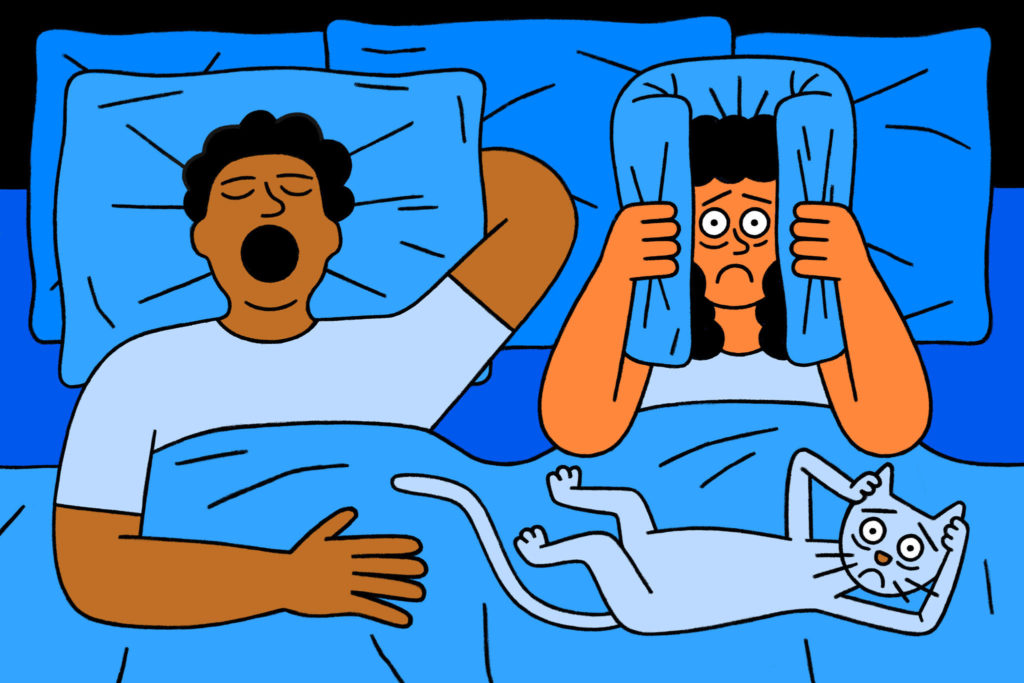
It might be you or your spouse who keeps on snoring but have you ever wondered why? Is the persistent loud snoring something to worry about? Can you just blame your snoring on having a blocked nose? Or is it something more sinister lurking beneath the loud snoring noise? Find out the importance of sorting out your blocked nose, snoring and other airway-related breathing problems during your sleep.
WHAT IS OBSTRUCTIVE SLEEP APNEA?
At ENTcare specialist clinic in Singapore, we see and treat many patients who suffer from loud snoring. Snoring may not only be due to having a blocked congested nose, but also airway collapse during sleep! You should be aware of a more dangerous health condition called Obstructive Sleep Apnea. Frankly, a persistently blocked nose and not being able to breathe clearly is ABNORMAL!
Unfortunately, many people have suffered from blocked nose symptoms for so long that they mistake this as “normal”. They have forgotten how to breathe clearly through their nose! You should not be breathing through your mouth all the time. In fact, people who are mouth-breathers often complain of a dry mouth and throat discomfort.
WHAT CAUSES A PERSISTENTLY BLOCKED NOSE?
Let’s talk about blocked nose problems first: The main reasons for a persistently blocked nose in Singapore are:
1) Deviated Nasal Septum (crooked nasal bones inside)
2) Enlarged turbinates (soft tissue swelling inside your nose)
A blocked nose can cause noisy breathing and snoring problems. But please take note, this may not be the only cause of persistent snoring. Having a deviated nasal septum is usually developmental. This depends on how your nasal bones grow in your teenage years. It may also be related to having had a traumatic injury from playing sports.
So what about the turbinates? They are a pair of sausage-shaped structures in your nose which swells up to cause nasal congestion, if there is a sinus infection or nasal allergies (allergic rhinitis).

WHY AM I GETTING A BLOCKED NOSE?
Both septum and turbinate factors act together to reduce the size of your nasal passages. So this makes it more difficult for air to enter your nose. Some people find it worsens when they lie down. Blood flows towards the back of the nose, causing further enlargement of their turbinates. Other people experience more nasal congestion when they exercise as more blood flows inside the nose.
But the nose is not always responsible for persistent loud snoring! This is especially true if there are other symptoms, such as noisy breathing, gasping, choking and nocturnal waking. Daytime tiredness, recurrent morning headaches and general malaise with memory issues also result from poor quality sleep due to Obstructive Sleep Apnea (OSA). This can affect work and school performance significantly. We now understand how important a good night’s sleep is for your physical and mental health.
WHAT ARE THE DANGER SIGNS OF BREATHING DIFFICULTIES WHEN YOU ARE ASLEEP?
What should you look out for? Here are the danger signs of breathing difficulties when asleep. They recur because of poor oxygen intake from underlying airway obstruction in your sleep:
- Persistent loud snoring
- Recurrent gasping or choking noises
- Waking episodes in the middle of the night
- Feeling of not being able to breathe properly
- Restless sleep
- Sudden pauses or silences in breathing (usually noticed by your sleep partner)
- Daytime tiredness , which can be dangerous as you can fall asleep while driving
- Memory and concentration lapses
- Micro-sleep episodes (falling asleep without even realising it!)
- Poor temperament and mood swings (feeling grumpier then usual)
- Morning headaches
WHAT WILL HAPPEN IF I DON’T GET MY SLEEP APNEA TREATED?
If you do suffer from breathing problems due to obstructive sleep apnea (OSA), your airways keep collapsing to affect the oxygen supply entering your airways to your lungs. If this goes undiagnosed and untreated, there is a higher risk of developing heart disease and heart attacks. You may also suffer strokes and irregular heart rhythms. They can lead to sudden death, high blood pressure and poor blood glucose/sugar control.
Studies also show that obstructive sleep apnea may worsen the outcome of other health conditions which you may already suffer from, such as lung disease and diabetes. Attention deficits, behavioural and mental health issues, with memory problems, may repeatedly occur due to poor sleep quality from sleep apnea (OSA). Eventually, all these factors accumulate to lead to a higher risk of developing cognitive issues such as dementia, perhaps at a younger age than in people who do not have sleep apnea.
In conclusion, snoring is a sign of partial airway obstruction when you are asleep. It can be caused by a blocked nose and breathing through a blocked nose is not normal. Snoring may not always be due to “just a blocked nose” but other levels of airway obstruction like the throat and tongue base may also be contributing to the whole airway and snoring problem. Seek help from a top ENT specialist in Singapore before it worsens to an advanced stage with potential serious complications for your health!
Share this blog via: