


 (65) 6908 8969
 (65) 6908 8969
Ruptured Eardrum: How to Prevent Infection and Hearing Loss!
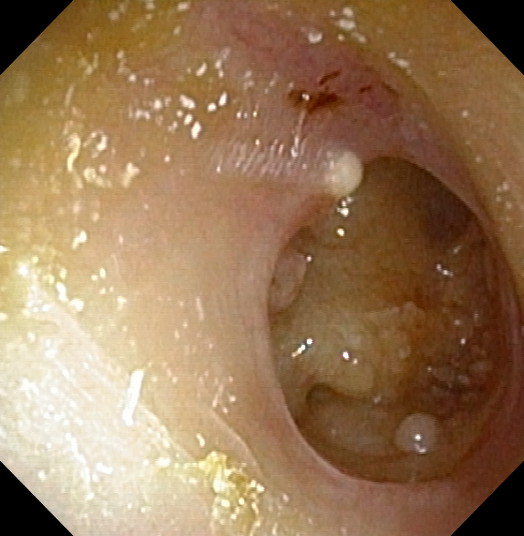
Have you ever wondered why you need a healthy normal eardrum? The eardrum is a special ear membrane which protects the inner ear structures from infection. It also conducts sound to help you hear clearly. When the eardrum bursts or ruptures, there is a higher risk of ear infection. This leads to hearing loss, ear discharge, dizziness, ringing sounds (tinnitus) and earache.
In Singapore, as a busy ENT specialist with an interest in ear conditions, I see many patients with perforated eardrums. They may have had difficulty trying to equalise their ear pressures, during a flight or while scuba diving. Forcing your eardrums to “pop” by blowing your nose with the nose pinched shut, may generate extremely high nasal pressures. If transmitted via the Eustachian pressure tubes connecting to your ears, the sudden high pressure wave may injure your eardrum.
IS MY EARDRUM PERFORATION DUE TO EUSTACHIAN TUBE PROBLEMS?
Many people love to swim and do water sports in Singapore. Sometimes, water may enter the ear through the nose and into the Eustachian tubes. The Eustachian pressure tube is often the source of ear troubles. It can become swollen and inflamed from nasal allergies (allergic rhinitis), sinus infections and viral attacks from the common cold or flu. The Eustachian tube closes in its resting state most of the time. It only opens up 4% of the entire time, due to pressure variations at the back of the nose (see Figure 2 below).
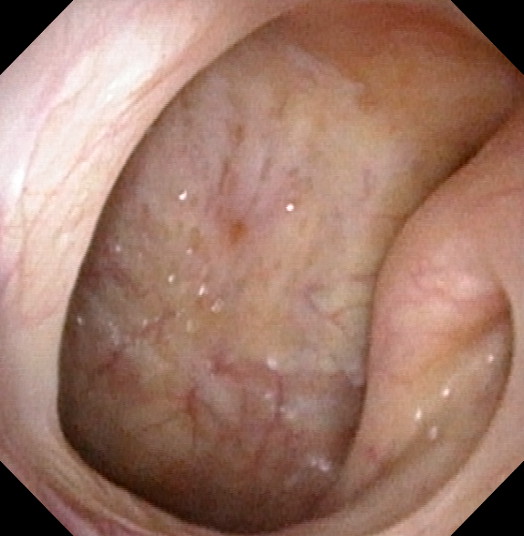
Sometimes, barotrauma (pressure injury) results in a perforated eardrum, most commonly during water sports such as scuba diving. Divers can descend as deep as 20m under the sea! Signs of ear barotrauma include sudden ear pain, ringing tinnitus in the ear, dizziness, hearing loss and bleeding. Some people only notice an ear “pop” sound or may even be completely unaware that their eardrum has perforated. Then an ENT specialist discovers the perforated eardrum during an ENT examination done for another reason!
COULD MY EARDRUM PERFORATE DUE TO A TUMOUR?
Rarely, fluid buildup behind the eardrum might be related to a tumour growing at the back of the nose. This happens as the tumour has enlarged to block off the Eustachian pressure tube lumen from deeper within. With excessive fluid accumulation, the eardrum may perforate, releasing the trapped middle ear pressurised fluid which leaks out of your ear.
Many ruptured eardrums will probably heal on their own, usually within 6-8 weeks. However, eardrum perforations carry a higher risk of persistent ear discharge and ear infections. Eardrums with holes may cause hearing loss. If your eardrum hasn’t healed in 6-8 weeks, it is less likely to ever heal on its own. So you have to make sure that no water enters your ear as this may lead to ear infection. Everyone needs an intact eardrum present to protect the delicate structures of the inner ear.
WHAT HAPPENS IF MY EARDRUM PERFORATION FAILS TO HEAL?
Eardrum perforations which fail to heal or close up by themselves, need surgery to repair. A healthy piece of tissue, called a “graft”, is harvested from the muscle behind your ear. Grafts may also come from the lining of the cartilage “bump” in front of your ear, the “tragus”.
As a busy ENT surgeon in Singapore who performs ear surgery quite often, this is one of my favourite surgeries to undertake. Why? Because there is a very high success rate. Surgical repair of the eardrum is called tympanoplasty or myringoplasty. In the right hands, surgery has a high 98-99% success rate in uninfected eardrum perforations. This eardrum surgery may be done via the ear canal, sometimes endoscopically with a small camera. Other cases may require a small incision in the ear canal or behind the ear for more complicated larger eardrum perforations with scarring.
So the 3 main reasons to consider surgery to repair your eardrum are:
- To prevent further ear infections and stop the smelly yellow ear discharge
- Help to improve your hearing
- Provide you with a water-safe ear so that you can swim and dive again without problems
Share this blog via: