


 (65) 6908 8969
 (65) 6908 8969
Tonsil Removal (Tonsillectomy): All You Need to Know!
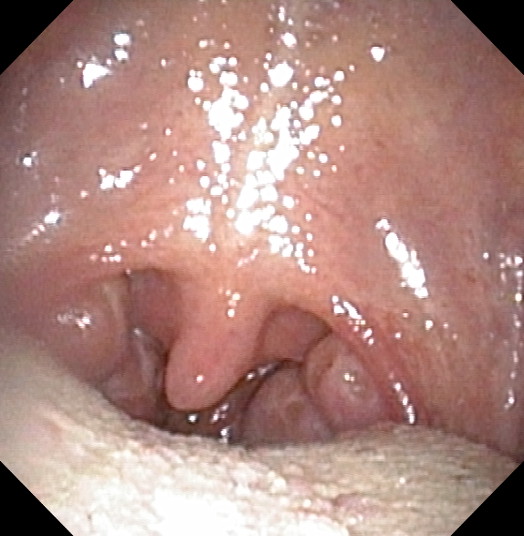
Are you thinking of removing your tonsils? Tonsil removal surgery is called tonsillectomy. This is one of the most common procedures which ENT surgeons perform in children and adults in Singapore. We explain everything you need to know about having a tonsillectomy here!
A) WHY DO YOU NEED A TONSILLECTOMY?
There a few reasons to consider removing your tonsils. The most common reason is because of recurrent tonsil infection (tonsillitis). Tonsillitis usually causes a bad sore throat with difficulty swallowing and fever. Sometimes, tonsillitis can become so severe that it prevents you from swallowing your oral medications. This may require hospital admission to have intravenous IV antibiotics, painkillers and fluids.
We would normally consider a tonsillectomy in patients who have been suffering recurrent tonsil infections, e.g. 3-4 times a year. Sometimes, if tonsillitis doesn’t fully recover with antibiotics and keeps rumbling on, your tonsils may also need to be removed. Removing your tonsils means goodbye to the tonsils as the main source of throat infections! Good news, tonsils don’t regrow!
Other reasons to consider a tonsillectomy include snoring and breathing difficulties. Large tonsils block off the back of your throat, making it difficult for airflow to enter your airway. Such patients may suffer obstructive sleep apnea (OSA) with disrupted poor sleep, repeated nocturnal waking and mouth-breathing. Many patients also feel tired during the daytime and may fall asleep while driving. So removing your tonsils can improve your breathing significantly if large tonsils overcrowd your throat and airway.
Of course, if one tonsil grows bigger than the other, there may be cause for concern! Sometimes, lymphoma or squamous cell cancer can invade the tonsil tissue to form a tumour. A tonsillectomy is then urgently needed to obtain tissue for a diagnosis. Lymphoma and squamous cell cancers of the tonsil need further treatment with chemotherapy drugs and radiation treatment.
B) WHAT ARE THE RISKS OF HAVING A TONSILLECTOMY?
Although generally, having your tonsils removed is a pretty straightforward uncomplicated procedure in most patients, there is a slight risk of bleeding after surgery due to secondary infection. If this occurs, this tends to present within the first 2 weeks after surgery. Sometimes, such patients return to hospital for closer monitoring e.g. children, and rarely, return to the operating theatre to have the bleeding source stopped with diathermy (a safe electric current).
After tonsil surgery, expect a sore throat but this is usually well-controlled with oral painkillers, gargles and throat sprays. The key to a smooth recovery is to take your painkillers regularly for the first 1-2 weeks so that you can eat and drink adequately.
Sometimes the throat pain may temporarily increase around Day 5-7. Hang in there and don’t give up! Push through this tricky phase and you will make a good recovery. You can eat anything you feel like but it is wise to avoid spicy foods for the first 2 weeks. Popular stuff to eat after tonsillectomy include ice cream, porridge, mashed potato, scrambled egg, tofu and noodle soups.
Rarely, some patients notice some altered taste postop but this usually recovers after a few weeks or months. This sometimes happens because of the metal gag instruments used to open your mouth during surgery. They help the ENT surgeon access the back of your throat where your tonsils are located. The metal instruments press on your tongue for the duration of surgery but usually for less than 30 minutes. The nerve endings in the tastebuds may temporarily go into “shock” but usually recover.
C) HOW IS TONSIL REMOVAL DONE?
There are many techniques to remove your tonsils! It pretty much depends on your ENT surgeon’s preference and experience. We perform a tonsillectomy with you asleep under general anaesthesia. It can be a day case in the morning with some patients going home later that same day. Some patients stay in hospital overnight to monitor their oxygen levels and breathing, if there was underlying sleep apnea.
Studies have shown that the post-tonsillectomy bleeding rate increases significantly if the chosen technique uses a lot of heat to remove the tissue. Too much burnt and charred throat muscle makes it more painful after surgery. The burnt tissue may then become infected, leading to an increased risk of bleeding after surgery. So the safest way is to carefully dissect out the tonsil tissue with minimal heat applied! Acceptable postop bleeding rates after tonsillectomy should usually be 1-2 %. It should not be much higher than this. Please check with your ENT surgeon what his own surgical bleeding rate after tonsillectomy is before you proceed.
IS THERE A DIFFERENCE BETWEEN CHILDREN AND ADULTS GOING FOR TONSIL REMOVAL SURGERY?
Whatever the technique chosen, a metal gag instrument (shown in the above picture) presses the tongue flat to be able to get a good view of the back of the throat to reach the tonsils. Tonsil removal usually takes less than 30 minutes. Tonsillectomy in children is easier as their tonsils usually have little scar tissue. Adults who have had many tonsil infections often have very scarred tonsils which “stick” to the underlying muscle bed. This may make it a bit trickier to find the right tissue plane.
WHEN IS IT TIME TO CONSIDER TONSIL REMOVAL?
- If you keep on suffering bad sore throats or need multiple courses of antibiotics
- When you find it difficult to breathe, especially when asleep
- If you snore loudly and/or sleep poorly, especially if you gasp or choke for air
- When one tonsil looks much larger than the other
- If you keep on getting bad breath and white cheesy spots: Tonsil stones!
Share this blog via: