


 (65) 6908 8969
 (65) 6908 8969
Blocked Runny Nose: How To Treat Nasal Allergies
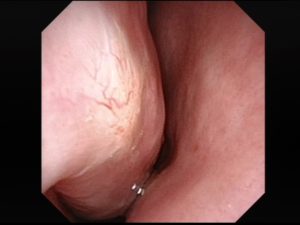
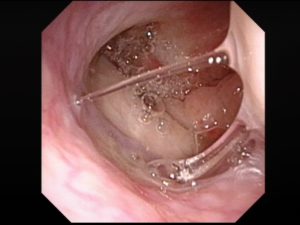
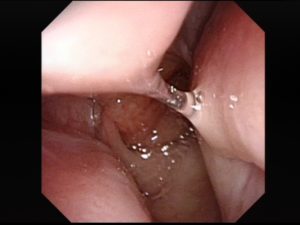
As an experienced ENT doctor in Singapore, we see so many patients who suffer from persistently blocked and runny noses! They often think that this is due to a “sinus” issue but they don’t actually have sinus infections (sinusitis). The reality is that they suffer from allergic rhinitis or nasal allergy problems!
These conditions then lead to swelling of the turbinate soft tissue inside the nose. Hence it is difficult for them to breathe through their nose. In addition, many patients with poorly-controlled nasal allergies also suffer a persistently runny nose and backdrip. Such patients may also be mouth-breathing most of the time, waking up with a dry mouth and sore throat. Snoring is also another common symptom of untreated allergic rhinitis!
SHOULD I CONSIDER ALLERGY TESTING?
Such patients find it helpful to have a skin prick allergy test done in Singapore. House dust mite allergy in Singapore is the most common reason for nasal allergy (allergic rhinitis) to develop. Do you know that these insects are not visible with the naked eye but only under the microscope? They can be found all over your cushions, bedsheets, quilts, pillows, curtains and soft toys. In Singapore, there are 3 species of house dust mite which commonly cause allergic rhinitis to flare up.
HOW ARE NASAL ALLERGIES TREATED?
We usually treat nasal allergy problems with a triad of nasal saline wash/douche, steroid nasal spray and antihistamine medications. But there is another group of newer medications on the market. Sublingual immunotherapy (SLIT) in Singapore aims to desensitise your body’s allergic response to these allergy triggers. After 3 to 5 years of desensitisation treatment, your immune system doesn’t react in such an aggressive manner when exposed to the allergen in question. For House dust mite allergy in Singapore, Acarizax tablets and Oral Tek/ SLIM sprays are very popular. Our patients use such immunotherapy daily for at least 3 years to achieve a pretty good success rate at improving the nasal allergy symptoms.
Here are some of ENT specialist Dr Annabelle’s tips to cut the house dust mite population at home:
- The best way to kill house dust mites is to wash your bedlinen in hot water at 60 degrees celsius and to put them in direct sunlight as much as possible.
- Get rid of furry plush soft toys, especially in the bedroom.
- Open curtains every morning to allow full direct sunlight into the rooms.
- Flip your mattresses regularly. In more extreme cases, it may even be worth wrapping the mattress in cling film to reduce exposure.
- Wash your curtains washed/dry regularly, every month if necessary.
- Wipe fans at least once every month or even every 2 weeks to minimise dust buildup.
Share this blog via: