


 (65) 6908 8969
 (65) 6908 8969
Dizziness, Imbalance and Vertigo: How to Get Better
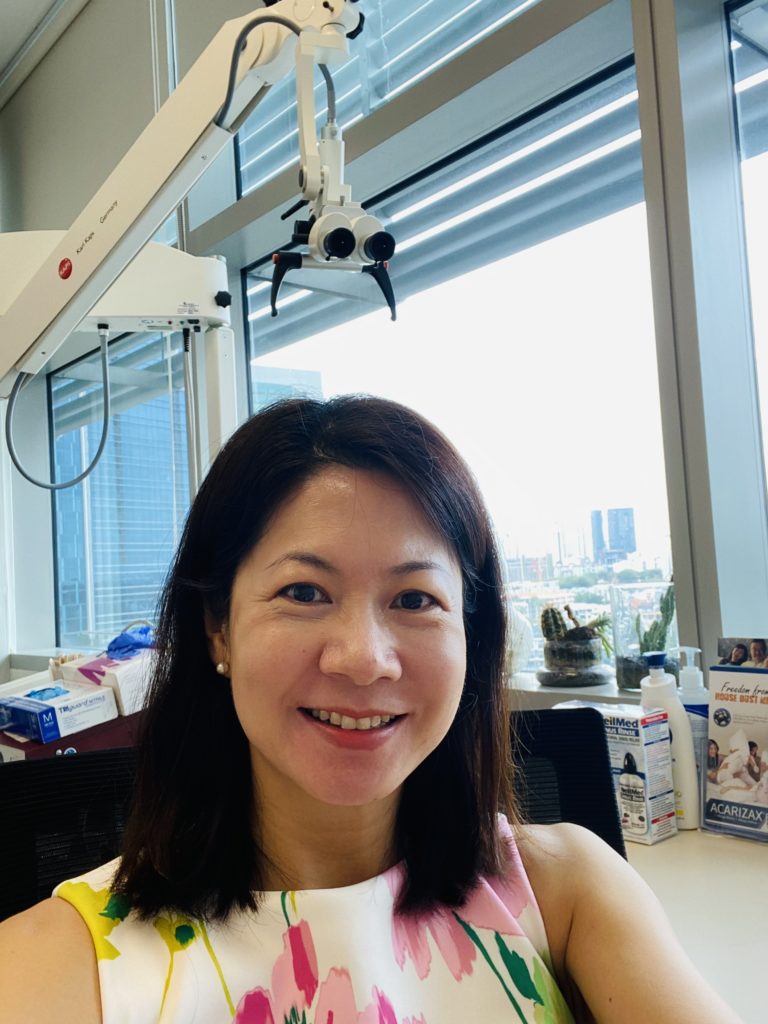
I thought it was high time for an update on the very common problem of dizziness, imbalance and vertigo in Singapore. My last blog on this interesting topic was a few years ago! That last blog on dizziness was so popular that my patient called me “the Queen of Dizziness”. I’m honestly not too sure what to make of that label! I guess I took a break and stopped blogging about dizziness for a while!
We have helped so many patients with dizziness, imbalance and vertigo over the years at our busy ENTcare Clinic in Singapore. I’ve lost count but I think the numbers are probably in the thousands by now. It started from my days as an ENT specialist registrar training in London. Afterward, I completed a Neurotology Ear fellowship in Hearing and Balance in Toronto, Canada for a year.
HAVE YOU SEEN TOO MANY DOCTORS FOR YOUR DIZZINESS, IMBALANCE AND VERTIGO?
Sadly, many dizzy patients use up a lot of their funds and time on a “merry-go-round of doctors”. They see multiple doctors of different specialties. First, they see Neurology then Cardiology, then ENT, then off to another ENT specialist and finally to Psychiatry. Then they ultimately realise they should see an experienced Neurotologist for a clear opinion on their dizzy condition. Neurotologists are ENT super-subspecialists in dizziness, imbalance and vertigo disorders. Can you believe the record number of doctors that my patient had seen before she finally came to see me, was TEN?!?
Dizzy patients can turn up in any doctor’s clinic! The question is whether that doctor knows how to manage the dizzy condition or just refer you off to another specialist. Here’s a very interesting FACT: CT and MRI brain scans are often NORMAL in many dizzy patients, especially if due to an underlying inner ear disorder. Do you know that scans cannot detect many inner ear causes of dizziness?
WHAT IS THE MOST IMPORTANT CONCERN WITH A DIZZY PATIENT?
The most important priority in any dizzy patient is to exclude a sudden stroke in the posterior fossa of the brain. Rarely, some inner ear and brain tumours may present with dizziness, tinnitus (noise in ear) and hearing loss. The list of dizzy conditions is endless, including cardiac, neurological, hormone, gastrointestinal and psychological issues. It can be challenging to track down the actual cause of dizziness. For sure, some dizzy patients have more than just one cause!
For example, some dizzy patients may have started off with an inner ear infection which did not fully recover. Then they developed secondary anxiety and panic attacks which makes them feel even dizzier. Some dizzy patients also suffer recurrent headaches and may turn out to have vestibular migraine. This is a special migraine that presents with headaches AND dizziness. Vestibular migraine is often triggered by stress, anxiety and computer screentime.
IS MY DIZZINESS, IMBALANCE AND VERTIGO TREATABLE?
The strange thing about dizziness, imbalance and vertigo conditions, is that it might be easily treatable like Benign Positional Paroxysmal Vertigo (BPPV). BPPV is the commonest ear-related vertigo and dizziness condition! In BPPV, calcium crystals become loose and fall off to irritate other parts of the inner ear. So patients with BPPV suffer recurrent attacks of vertigo, lasting typically a few seconds. BPPV is easily treatable but needs to be correctly diagnosed to carry out the right type of therapeutic manoeuvre.
You’re not going to diagnose BPPV using a brain scan because the crystals are just too tiny. The answer is definitely NOT longterm medication! For more resistant rare cases of BPPV, we may need to operate surgically to plug off the affected part of the inner ear. Even seemingly unrelated conditions such as nasal allergies and sinus infections, can cause patients to feel dizzy.
WHAT ARE MORE WORRYING EAR CAUSES OF DIZZINESS?
Sometimes, it might be something that can really destroy your quality of life such as severe resistant Meniere’s disease. The poor patient suffers recurrent dizzy attacks of spinning vertigo and imbalance, a blocked ear fullness and fluctuating hearing loss.
Enlarging cysts of trapped skin growing behind the eardrum called cholesteatomas can also erode into the inner ear to cause dizziness and imbalance. These cholesteatoma growths should be surgically removed to prevent further destruction of inner ear structures. Chronic eardrum infections, are also abnormal and may lead to deeper infection to cause vertigo and dizziness.
Now you know it’s not easy to diagnose and treat a dizzy patient properly! But you realise how important it is to reach the correct conclusion to help the dizzy patient feel better. In the meantime, if you suffer a sudden dizzy attack, what can you do?
Here are Dr Annabelle’s Dizzy Tips:
- Do NOT Panic if you start to feel dizzy. Instead, take a few deep breaths and go lie down to rest somewhere comfortable, without bright lights.
- Take medications such as Stemetil (prochlorperazine) or cinnarizine if you have previously been prescribed them by your family doctor. They won’t “cure” your underlying condition but they often help to suppress any inner ear irritation signals to help ease the dizziness. Avoid taking these medications longterm as they can affect your natural recovery.
- Most benign dizzy conditions will settle down within a few seconds to minutes, so try to find out which head position seems to trigger it. Then make a mental note to tell your friendly ENT specialist in Singapore when you see her.
- If you have a headache associated with the dizziness, take some simple painkillers like Panadol and take a rest. If they tend to recur, it might be helpful to keep a dizzy diary to see if a pattern of triggers emerges.
- Stop any computer work or screentime you might be doing. Too much screen time might be the trigger for your dizziness.
- If the dizziness still doesn’t seem to be improving within a few hours, or if there is severe nausea and vomiting, or severe headaches and/or visual blurring, please go and see your friendly ENT specialist in Singapore with an interest in dizziness and balance disorders!
Share this blog via: