


 (65) 6908 8969
 (65) 6908 8969
Discover How to Stop Snoring and Sleep Better!
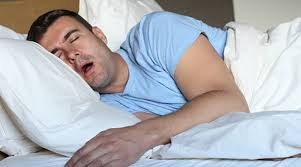
Did you know that we see so many snoring patients as a busy ENT specialist in Singapore? This may be a sign of a more worrying condition called Obstructive Sleep Apnea. Find out how to stop snoring and sleep better!
Funnily enough, the snorer is usually unaware of his snoring symptoms! That is, until his partner begins to complain that it’s disturbing his sleep…
WHAT IS SNORING?
Snoring is the noise which occurs when there is some form of airway obstruction. There is a narrowing of the airway somewhere. Snoring could come from your nasal passages, back of your nose, tongue base and throat. If you suffer from nasal allergies, your nose is likely to be congested quite often. This will reduce the airflow into your nose, making it difficult to breathe.
So your mouth will probably be open at night when you are asleep. Hence you become a mouth-breather which is abnormal. It leads to waking up with a sore throat, dry mouth and dry throat too. When the airway is blocked, the oxygen flow entering your lungs is limited. The airflow also becomes irregular, as the soft tissues of the throat close down to cause the snoring. So how do you stop snoring?
IS SNORING A SIGN OF SOMETHING MORE SERIOUS?
Snoring may be a socially troublesome symptom but what is actually the main concern? Well, snoring might be due to Obstructive Sleep Apnea (OSA)! Obstructive sleep apnea is a serious health condition as it means there is limited oxygen entering your airway during your sleep. In OSA, the oxygen levels in the blood fall repeatedly during the night when you are asleep. An apnea episode occurs when you stop breathing. This apnea could last a few seconds to as long as 2 minutes!
It isn’t a good idea to allow the sleep apnea episodes to keep recurring. Your vital organs like the brain and heart won’t be able to receive adequate oxygen supply. For some people with sleep apnea, these apnea episodes can happen as many as 200 times per night! That’s when the risk of complications of sleep apnea increase significantly.
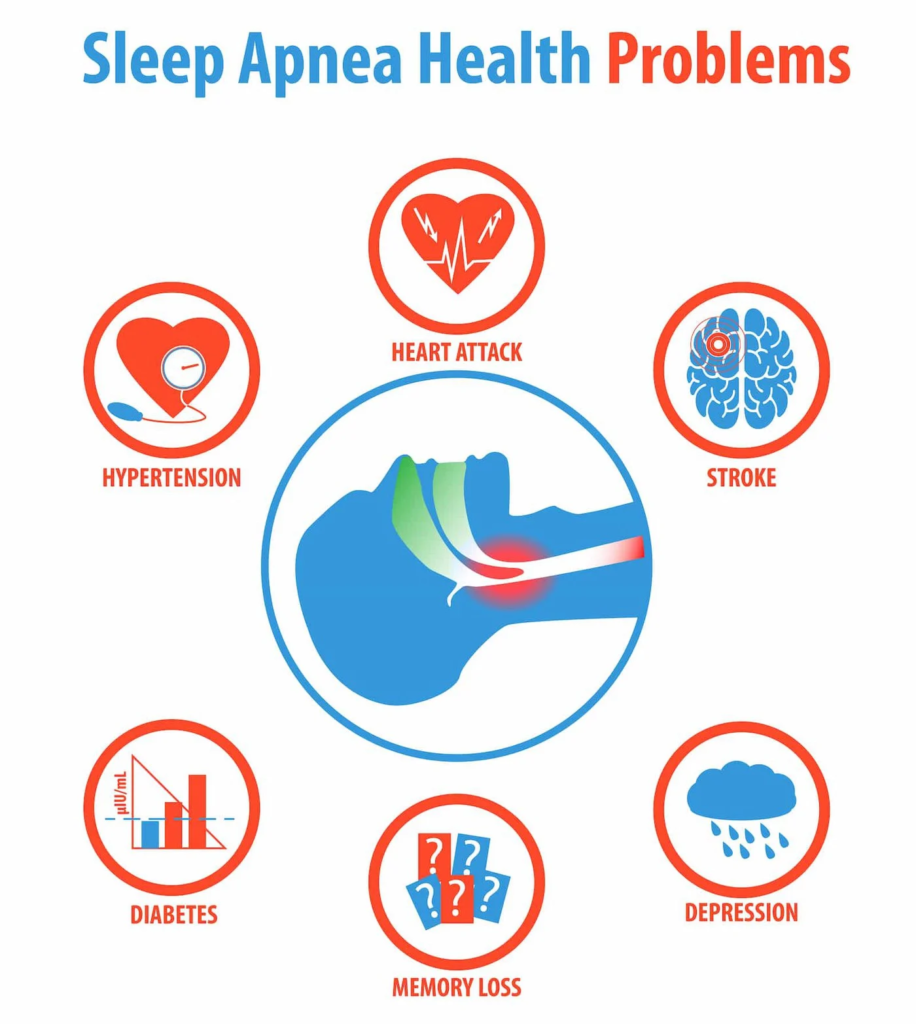
There’s a long list of health problems associated with sleep apnea:
- Strokes
- Heart attacks
- Heart arrhythmias (irregular heart rhythms which may lead to tiny blood clots forming in your circulation). This includes heart conditions such as atrial fibrillation
- High blood pressure
- Heart failure
- Diabetes
- Acid reflux
- Sexual dysfunction (due to low testosterone levels in men)
- Memory problems and possibly higher risk of earlier dementia
So How Can You Stop Snoring and Sleep Better?
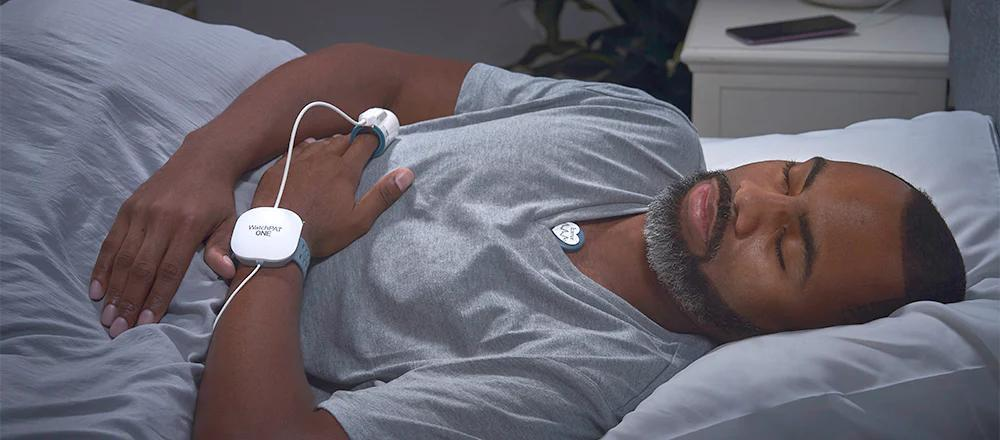
Usually, you would need your nose and throat carefully examined by your friendly ENT specialist in Singapore. We would identify the levels of airway obstruction causing the snoring. We do this easily in clinic with “the nose scope”. In addition, an overnight sleep study is important to investigate the severity of obstructive sleep apnea. Nowadays, most patients are able to have their sleep study at home. We can help you arrange insurance coverage for your sleep study if needed, even if it’s done at home.
Depending on the findings of the nasoendoscopy and sleep study, then a trial of CPAP is the next step. CPAP stands for Continuous Positive Airway Pressure, which is delivered via a special mask attached to a machine. We select our surgical candidates carefully to ensure the best postop results to help you breathe better and sleep well. Surgery works better in those patients where weight is well-controlled with a Body Mass Index (BMI) of 30 or less. In many patients, surgery helps them to snore less and sleep better.
Weight management is important in the snoring patient. Excessive weight gain leads to external compression of the airway by the excess soft tissue in the neck. Sometimes, we refer patients to an Endocrinologist for weight management. Some patients may benefit from starting anti-diabetic medications to help their weight loss. Such drugs include Ozempic, Saxenda or Wegovy. If you don’t manage your weight properly, then you may find it difficult to stop snoring.
Can surgery help my snoring and sleep apnea?
If you decide on surgery to treat your snoring, we would usually tackle the nasal and palate (throat) levels of airway obstruction to help you breathe better. Sometimes, we also co-manage sleep apnea issues with our dental colleagues if the jaw and tongue are causing part of the airway obstruction and snoring. Wearing a mandibular advancement device as a mouthguard keeps the lower jaw (mandible) pushed forward to prevent the jaw from collapsing backward and obstructing the airway.
Here are Dr Annabelle’s tips to stop snoring and sleep better:
- Get a proper pillow to suit your side or back sleeping habits. Good pillow support is essential to make sure your head and neck are aligned properly to keep your airway as open as possible when asleep.
- Adopt a good sleep routine with earlier nights being the key: Go to bed before midnight. It takes the average person approximately 30 mins to fall asleep. The key factor preventing you falling asleep is usually stress-related so try to reduce stress as much as possible.
- Regular exercise keeps you in good health and tires you out enough to sleep better. Exercise at least 3-4 times a week for 30-60 mins each time, even if it’s just walking!
- If you suffer from “morning sinus” or nasal allergies, it’s helpful to spray your nose before bedtime with a nasal steroid spray like Nasonex or Avamys to prevent nasal congestion.
- Avoid drinking caffeine after 3 pm especially if you’re caffeine-sensitive. This includes coffee, tea and dark chocolate.
Share this blog via: