


 (65) 6908 8969
 (65) 6908 8969
Losing My Sense of Smell: How To Get Better

Have you lost your sense of smell? Hyposmia is the loss of sense of smell and may happen for many reasons. These range from the common cold or flu, to sinus infections and nasal tumours. At ENTcare specialist clinic in Singapore, many patients have lost their sense of smell because of nasal allergy, polyps and sinus infections. Up to 80% of your sense of taste actually depends on your sense of smell.
HOW DOES LOSING MY SENSE OF SMELL AFFECT ME?
So hyposmia can be devastating as it could mean the loss of someone’s job in the F&B industry in Singapore. Just think of all those people who depend on their good sense of smell e.g. chefs, sommeliers and those in the food import business. Therefore people who work daily with gas and other toxic substances also depend on their sense of smell to stay safe. Can you imagine if you suddenly couldn’t smell anything toxic in a factory? Your life would be at risk!
WHAT ARE THE COMMON CAUSES OF MY POOR SENSE OF SMELL?
In about 40% of anosmia cases in Singapore, the loss of your sense of smell is due to a viral infection. Viral infections lead to swelling and inflammation of the olfactory nerve which controls sense of smell. Subsequently, this results in soft tissue swelling inside the nose with increased mucus production. So all the excess tissue swelling and mucus block off the passage of the odour molecules to the top of the nose, where the olfactory/smell nerve endings are located. Fortunately, in most cases like this, your sense of smell usually returns once your viral infection is better.
Sometimes, the common cold or the flu can lead to more severe sinus infections. Then this leads to thick yellow purulent nasal discharge, facial pain and headaches with fever. You may also suffer a blocked nose during a sinus infection. So you will probably need a course of strong antibiotics to treat the sinus infection. Saline rinses, nasal steroid sprays and antihistamines, can be helpful in treating the sinus infection to help you recover your sense of smell.
WHAT ARE NASAL POLYPS?
Nasal polyps are enlarging growths inside your nose. They look like yellow or grey grapes (Fig 1 below). Nasal polyps may be due to nasal allergy (allergic rhinitis) but sometimes, they may be caused by a fungal infection. If they grow too big, it becomes very difficult to breathe through your nose. Then they may cause recurrent sinus infections. Rarely, some nasal polyps may be pre-cancerous. So you should always check your nasal congestion out properly by a top ENT specialist in Singapore. The ENT specialist will use a special camera (naso-endoscope) to examine your nose thoroughly.
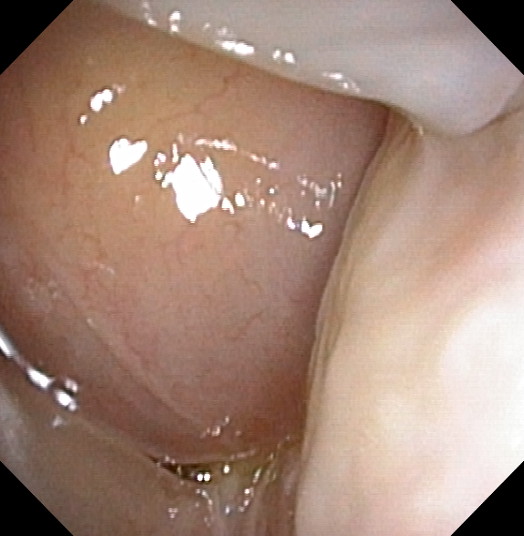
At our top ENT specialist clinics in Singapore, nasal allergies (allergic rhinitis), sinus infections and nasal polyps are all easily treatable causes of anosmia. We usually try a course of medications first but some patients may need surgery if medications fail to help. CT scan of your sinuses and sometimes, MRI scan of the brain, can investigate why you might have lost your sense of smell and to help plan for surgery.
WHAT ABOUT THE LATEST PRP TREATMENT FOR HYPOSMIA?
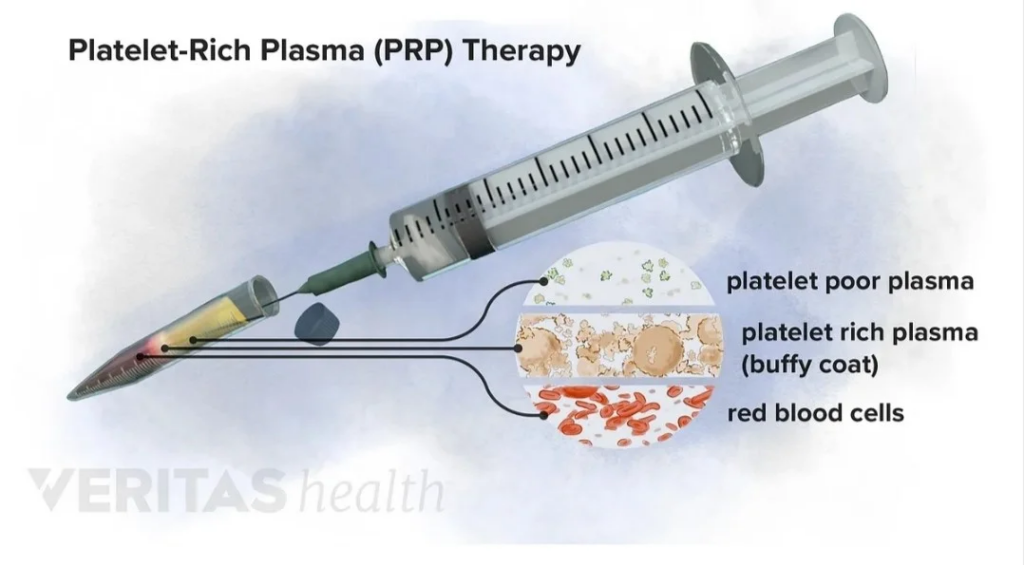
PRP TREATMENT FOR OLFACTORY NERVE
Did you know about this latest treatment to help regain your sense of smell? The latest development to treat your loss of sense of smell is by injecting Platelet-Rich Plasma (PRP) directly into the olfactory cleft. This is a special area high up in your nose. The PRP injection aims to stimulate nerve regeneration and heal damaged tissues. The PRP actually comes from a sample of your own blood taken in clinic so it is very safe.
After numbing the nose with local anaesthesia, we inject the PRP into the area of the olfactory nerve (the “cleft”). PRP is emerging in more studies as the next novel technique to help recover your sense of smell.
We usually do PRP for olfactory nerve in patients who have already had little success with steroids, sinus rinse and decongestants. Your CT or MRI scan of the sinuses and brain should also not show any other cause of your hyposmia.
The Process: A sample of blood is taken from your arm and spun in a centrifuge machine to separate the the platelet-rich plasma (PRP).
The Procedure: After numbing the nose, the PRP is carefully injected into the nose where the nerve endings of the olfactory nerve lie.
So after each injection, you can continue your usual activities for the rest of the day.
HOW LONG DOES PRP TAKE?
Patients usually have 3 injections, each taking place about 4 weeks apart. Everything takes place in clinic and is quite comfortable.
WHEN WILL I NOTICE AN IMPROVEMENT IN MY SENSE OF SMELL?
It can take several months for the nerve endings of your olfactory nerve to regenerate. One study done recently at The Mayo Clinic reported up to 87% patients noticed improvement about a year after undergoing PRP treatment for their olfactory nerve.
Share this blog via: