


 (65) 6908 8969
 (65) 6908 8969
Persistent Lump in Throat: 7 Reasons To Worry

A lump in throat? Have you been suffering from a persistent lump in your throat symptom? You might not be able to feel any lump on your neck but you might have a lump growing inside your throat. As a busy ENT specialist in Singapore, we see many patients who have a persistent throat lump sensation. Some also have sore throat, fever, swallowing or breathing difficulties.
The Number One concern for patients is that this lump in throat symptom might be due to underlying throat cancer growing inside….
Here are some “red flag” danger signs to watch out for. See your top ENT specialist in Singapore as soon as you can:
- Persistent or worsening throat lump sensation
- Swallowing difficulty, may have drooling of saliva at later stages (NOT a good sign!)
- Breathing difficulty or chest tightness
- Unilateral (more to one side of your throat)
- Associated fever
- Difficulty opening your mouth
- Earache or blocked ear symptoms
- Neck lump appearing on the outside
So what are the top causes of a persistent lump in throat sensation? Having managed so many patients with throat issues in Singapore, Canada and the United Kingdom, here is what we look out for:
TOP CAUSES OF PERSISTENT LUMP IN THROAT:
A) QUINSY (from Severe Tonsil Infection)
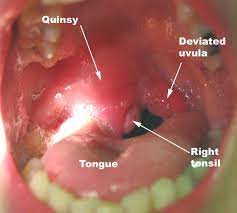
What is a quinsy? A quinsy is the formation of pus or an abscess collecting around the severely infected tonsil. It occurs in more than 10% of tonsillitis cases and can happen to you for the very first time. Even if you have never suffered a tonsil infection before! Some healthy people have their Covid-19 vaccination shots but then suffer acute tonsillitis afterward. Quinsy formation is a well-recognised complication of severe tonsil infection. This is the development of a peritonsillar abscess, causing a large painful swelling on one side of your throat.
Your tonsils are “golfball” concentrations of lymph gland tissue. They play an important role in fighting infection particularly in young children. Tonsils should shrink in size from the age of 5-8 years, so most adults have minimal tonsil tissue remaining. Other parts of the immune system mature and take over the dominant protective role in adulthood.
If you have difficulty opening your mouth, a painful enlarged swelling at the back of your throat, with fever and earache, then you might be suffering from a quinsy. Early drainage of the quinsy is important to prevent the spread of infection to other parts of the throat, airway and neck. In very severe cases, the quinsy swelling can cause airway obstruction with breathing and swallowing difficulties.
We drain quinsies under local anaesthesia to numb the back of the throat and then start antibiotics, through an IV drip in your arm. After you recover from your quinsy, you should consider removing your tonsils to prevent recurrence.
B) TONGUE BASE CYST
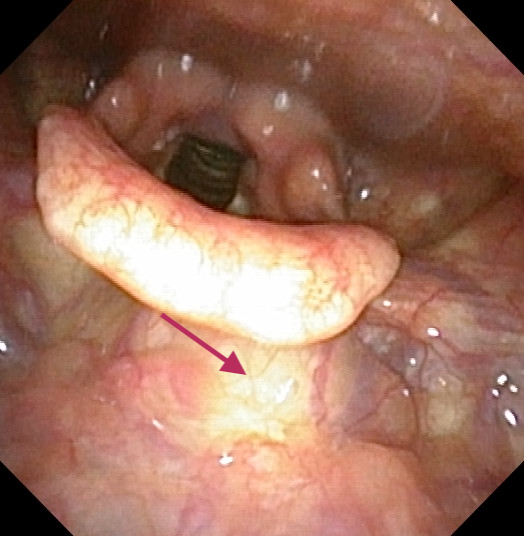
Sometimes, a lump in throat sensation may be due to the presence of a cyst growing behind the tongue. Such cysts are usually benign and are mucous retention cysts, which contain a yellowish mucus liquid. We don’t really know the true cause of such cysts. If they become infected, then they may start to grow bigger. This can be investigated with a CT or MRI scan, with a view to removing it or draining it surgically.
C) GASTRO-OESOPHAGEAL REFLUX
Acid refluxing upwards from the stomach may flow into the throat. This may cause recurrent inflammation of the mucosa (lining of the throat). Then you may suffer muscle spasms, giving rise to the “lump in throat” feeling. Some patients have a ring of muscle at the top of their food passage that is unable to close completely. Hence there is backflow of acid up into their throat.
Other risk factors for acid reflux include smoking, alcohol, caffeine and stress. Interestingly, some patients do not suffer the “typical” symptoms of acid reflux like heartburn. They may instead just experience a persistent lump in throat sensation, what we ENT specialists call “laryngo-pharyngeal reflux” (LPR).
The dctor will prescribe a course of anti-acid medications for a few weeks. Sometimes, a referral to a gastroenterologist (stomach doctor) may be necessary for a stomach endoscopy. Urea breath testing may be helpful to screen for a nasty bacteria called Helicobacter Pylori. This bacteria can grow in your stomach to cause acid reflux, chronic severe gastritis, stomach ulcers and stomach cancer.
D) POSTNASAL DRIP
Could the persistent lump in throat feeling be due to a backdrip from your nose? Yes, it’s possible as a chronic flow of mucus from your nose and sinuses will cause further inflammation in your throat. This will lead to throat discomfort and the lump in throat problem.
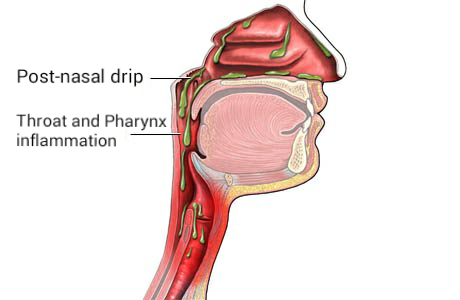
This is actually a common leftover symptom after a bad flu or Covid-19 infection. Just because your rapid antigen testing is now negative, does not mean that everything is back to normal settings. It take a while, up to a few weeks, for things to go back to normal. Sometimes, viral infections may also affect sinus drainage pathways. This leads to a buildup of trapped mucus, increasing the risk of sinus infections.
Your ENT specialist in Singapore can diagnose if it is the backdrip from your nose causing the throat lump sensation. You just need a simple, quick and painless test with nasoendoscopy. This is the “nose scope”, which can be claimed as a day surgery procedure from your insurance. Then nasal medications, like a seasalt douche, nasal steroids, antihistamines and antibiotics should help.
E) THROAT CANCER
Throat cancers are occasionally detected as a cause of a persistent lump in throat sensation. These occur more commonly in smokers and heavy drinkers. However, there is another type of throat cancer which can present as a tonsil or a tongue base tumour. These throat cancers caused by Human Papilloma Virus (HPV) have nothing to do with smoking or alcohol. Instead, they are found in nonsmokers. Some strains of HPV are linked to the development of head and neck cancers.
Early detection and treatment is important in throat cancer to ensure a good prognosis and outcome. Incidentally, HPV-related throat cancers are associated with a much better outcome if detected early.
F) HYPOTHYROIDISM
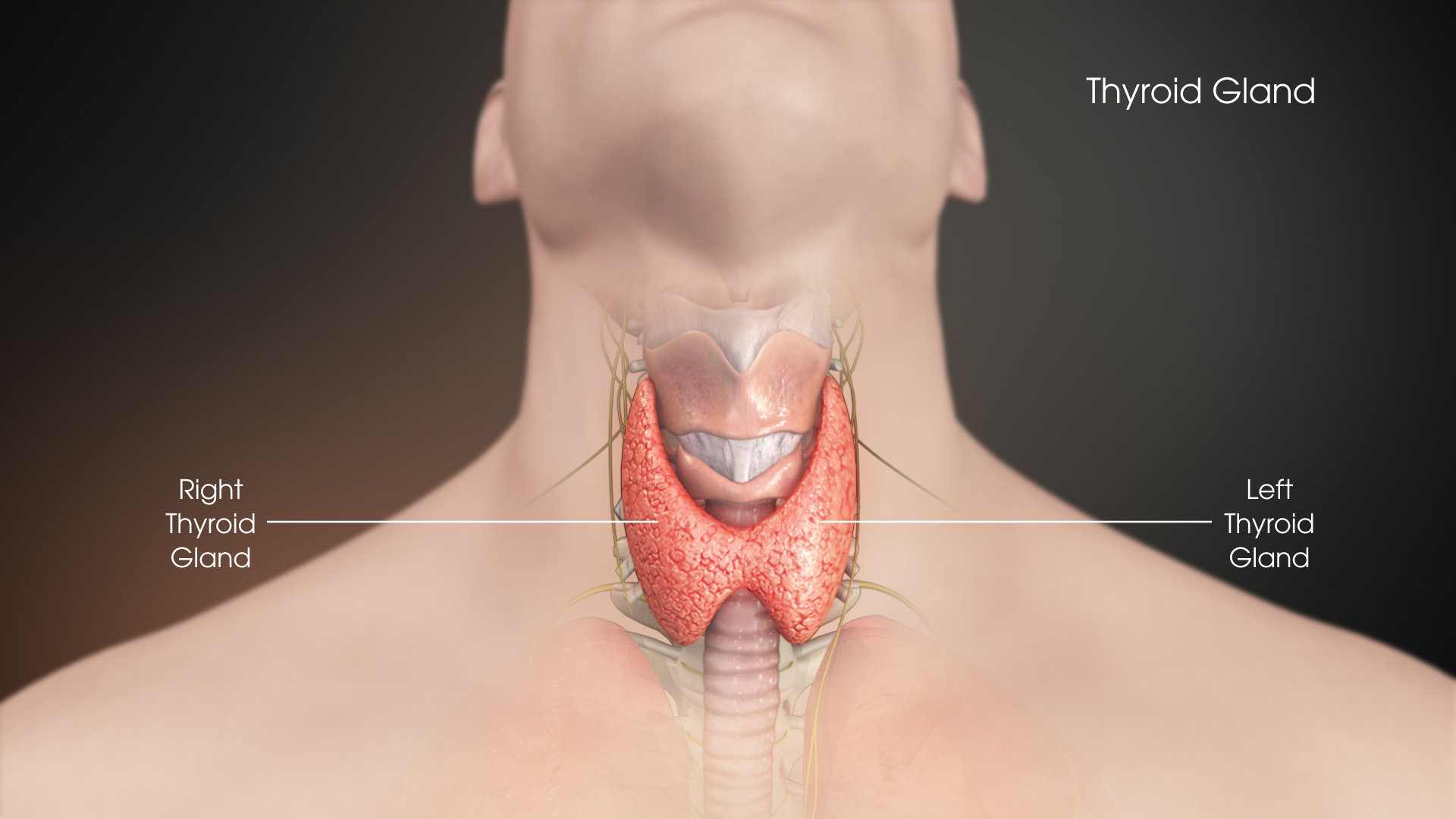
When your thyroid gland is not producing enough thyroid hormone, you will suffer the effects of hypothyroidism (underactive thyroid). The thyroid gland is a very important gland whose thyroid hormones are responsible for the well-being of every part of your body, including your heart and metabolism.
Common symptoms and signs of hypothyroidism include feeling tired, weight gain, dry hair and skin. Sometimes, people may also experience a lump in throat symptom if they suffer from hypothyroidism. A simple blood test will screen for this. Then a course of thyroid medication is prescribed to replace the insufficient thyroid hormone levels to help you feel better.
G) GLOBUS PHARYNGEUS
If you have been screened carefully by your ENT specialist in Singapore with a normal examination, then the lump in throat symptom may be due to Globus pharyngeus. This is a benign condition. Its old name was Globus hystericus but is now more appropriately termed Globus pharyngeus. Globus is a non-cancerous condition of the throat muscles which keep going into spasms and tightening up, giving rise to the feeling of your throat “closing up” and the sensation of “a lump in throat”.
However, globus pharyngeus is a diagnosis of exclusion. This means that we should only arrive at this conclusion after having already carefully ruled out all other pathological conditions. The key difference is that Globus pharyngeus is usually intermittent and often relieved by eating. It is NOT made worse by eating or drinking. Risk factors include underlying acid reflux irritating the throat muscles, as well as stress and anxiety which can lead to increased muscle tightness and spasmodic episodes.
Of course, if you’re still concerned about your lump in throat sensation, then the best way to set your mind at ease, is to visit your friendly ENT specialist in Singapore!
Share this blog via: