


 (65) 6908 8969
 (65) 6908 8969
My Sore Throat Doesn’t Get Better: Top 3 Causes
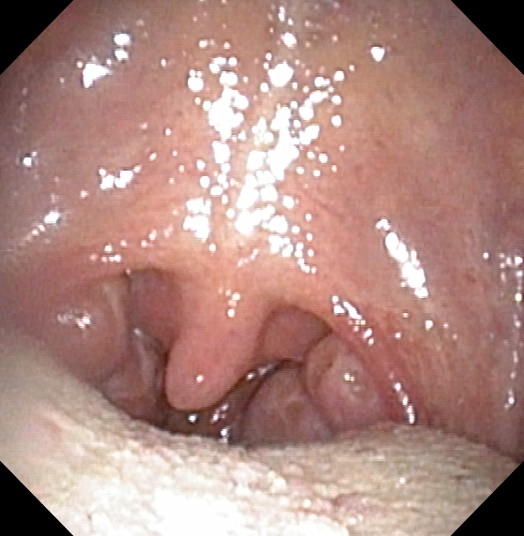
WHY DO YOU KEEP GETTING A SORE THROAT?
Why do you keep on getting a sore throat? Is a sore throat something to worry about? Should you see a top ENT specialist in Singapore for your sore throat that doesn’t get better?
There are many causes of a persistent sore throat in Singapore. The 3 most common causes of a sore throat or throat pain are:
- Infection: Tonsillitis or pharyngitis
- Sinus infection or nose allergy
- Acid reflux of the throat
I) INFECTION: TONSILLITIS AND PHARYNGITIS
The tonsils are lumps of lymph gland tissue which sit on either side of your throat. You can see them when you open your mouth and look in the mirror. They tend to be bigger in young children as they are part of the immune system to fight infection. But from the age of 5 onwards, the tonsils shrink in size naturally. So most adults have very little tonsil tissue left. Other parts of the immune system take over the protective role of the tonsils in adults.
However, this doesn’t always happen! Some people are unfortunate enough to keep suffering tonsil infections, even as adults. Others may start to suffer tonsil infections in later life when they never did before. Any bacterial or viral organism may cause tonsillitis!
Is it just “Another Sore Throat”?
You should not dismiss Tonsil infections in Singapore as “just another sore throat” because they can be very severe. Tonsillitis can make it difficult for you to swallow because it is very painful! You may feel unwell with a high fever and terrible throat pain. 10% of tonsillitis cases go on to develop complications such as quinsy. What is a quinsy? This is an abscess or collection of nasty pus forming around the tonsil. If left untreated, you may suffer a neck abscess with swelling and pain. Complications of throat infection include airway obstruction from tonsillitis. Seek medical help early if this might be related to tonsil infections!
Treatment of throat infections due to tonsillitis often involves starting a course of antibiotics. If you have difficulty swallowing, then intravenous antibiotics may be given through a drip. You also need strong painkillers and possibly, steroids to reduce the inflammation and swelling caused by the bad sore throat. If there is a quinsy or neck abscess brewing, then surgical drainage of the trapped pus may be required.
When Should I Have My Tonsils Removed?
Ultimately, if the tonsillitis infections keep recurring, you should consider removing your tonsils surgically. Tonsillectomy is a short procedure under general anaesthesia so you will be asleep. We can perform tonsil surgery as day surgery, although many patients stay overnight in hospital and go home the next day. Many of my patients tell me that this is much better than suffering with the sore throat they get with their tonsil infections!
Your private insurance, whether corporate or personal, will usually cover the cost of your tonsil operation. In addition, patients may used their Medisave to partially cover the costs of their hospital bill in private hospitals.
After tonsil surgery, tonsils certainly don’t grow back ever again! You may still experience a mild sore throat if you come down with the flu in future after a tonsillectomy, due to pharyngitis. But you won’t suffer from such excruciating throat pain from tonsillitis again.
II) SINUS INFECTION AND NASAL ALLERGY
The sinuses are natural air spaces inside your skull. They usually drain the nasal secretions without any problem. However, if they become infected, then the natural drainage pathways may become blocked (sinusitis). This leads to headaches, facial pain and fever. You may also suffer a blocked nose with yellow nasal discharge due to sinus infection. If the nasal discharge flows down the back of your nose into your throat, it can cause a persistent sore throat too.
Is it my “Morning Sinus”?
Nasal allergy issues are often mistaken by many people as “morning sinus” issues. But more often, it isn’t the sinuses to blame! Sensitive noses can flare up and become irritated, leading to sneezing, runny nose and blocked nose. But what triggers the sensitive nose to react this way? Changes in temperature and humidity commonly cause these nasal symptoms but often, house dust mite exposure is the main cause of recurrent sneezing, blocked nose, runny nose and a persistent postnasal drip of mucus, in tunr leading to a persistent sore throat.
Your GP will usually prescribe painkillers, throat sprays, antibiotics, antihistamine medications like Zyrtec, but if your sore throat fails to improve, then it is important to get your sore throat properly examined by your friendly top ENT specialist in Singapore.
Your ENT specialist in Singapore will usually arrange allergy testing for you, perform a nasoendoscopy (“scope of your nose”) and prescribe the right medications for you. A good ENT specialist in Singapore needs to make sure that there is no other cause in your nose for your sore throat, such as a tumour growing at the back of your nose or in your sinuses. Sometimes, a CT scan of your sinuses may be arranged to examine the sinuses better or to help plan for surgery.
III) ACID REFLUX OF THE THROAT
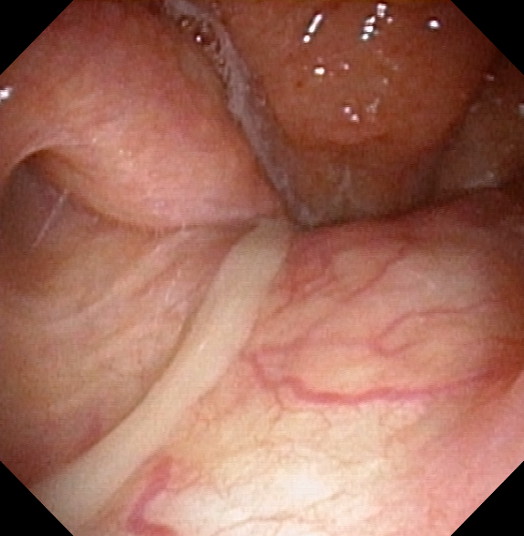
The third most common cause of a sore throat in Singapore that keeps recurring, is acid reflux or more commonly known as GERD (gastro-esophageal reflux) “Gastro” means “stomach” while “esophageal” refers to the food passage or gullet joining the throat to your stomach. Acid reflux is quite common and can present in many different ways, such as epigastric discomfort (right in the middle of your stomach area), bloating, burping, chest tightness and feeling gassy. These symptoms may feel worse after eating certain foods.
Can Acid Reflux be Silent?
Sometimes, acid reflux symptoms may be “silent”, meaning they don’t present in the usual ways discussed above, but may cause upper throat symptoms such as a persistent sore throat, feeling the urge to keep clearing throat by making funny noises in your throat, itchy throat, bad breath, or even a “lump in throat” sensation. ENT specialists in Singapore call this condition Laryngo-Pharyngeal Reflux (LPR) while gastro specialists call this GERD!
Now you understand what sore throat symptoms may be due to! Please have your sore throat checked out by your top ENT specialist in Singapore if it doesn’t get better by itself after a week.
Share this blog via: