Desensitisation therapy, also known as sublingual immunotherapy (SLIT), aims to gradually reduce the immune system’s sensitivity to specific allergens so that it becomes less reactive to them over time.
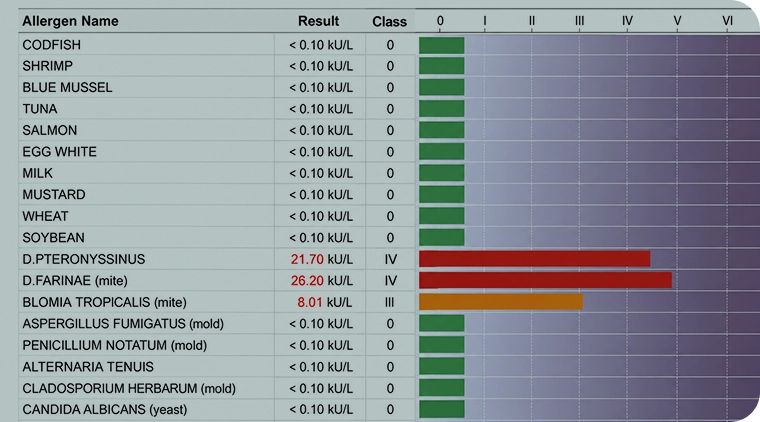
Three species of house dust mite are major allergy triggers in Singapore. For house dust mite-related allergic rhinitis, sublingual immunotherapy may be administered in two forms:
- Spray (SLIM): Two puffs are sprayed under the tongue each day..
- Tablet (Acarizax): One tablet is placed under the tongue each day.
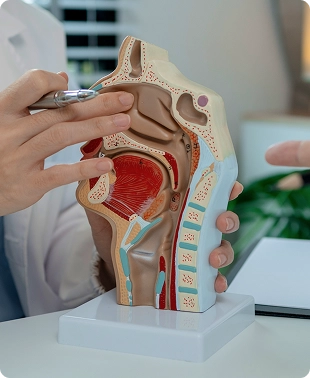
The area beneath the tongue is used for absorption. Rather than containing conventional allergy medication, SLIT contains proteins associated with the allergen, in this case house dust mite proteins, which are introduced regularly to help the immune system become less sensitive to them. It is sometimes described by patients as an allergy “vaccine”, although it is not technically a vaccine. Sublingual immunotherapy can be effective in treating house dust mite-related allergies, although individual responses to treatment may vary.
SLIT is a long-term treatment and may need to continue for up to three years to achieve longer-term control of house dust mite allergy and potentially reduce the need for nasal sprays and antihistamines. Many patients may begin to notice an improvement in their symptoms at around one year after starting treatment.
The occasional missed dose may not necessarily affect the overall treatment outcome, although SLIT should be taken according to Dr Annabelle’s instructions.