



Sleep Apnoea and Snoring Treatment in Singapore

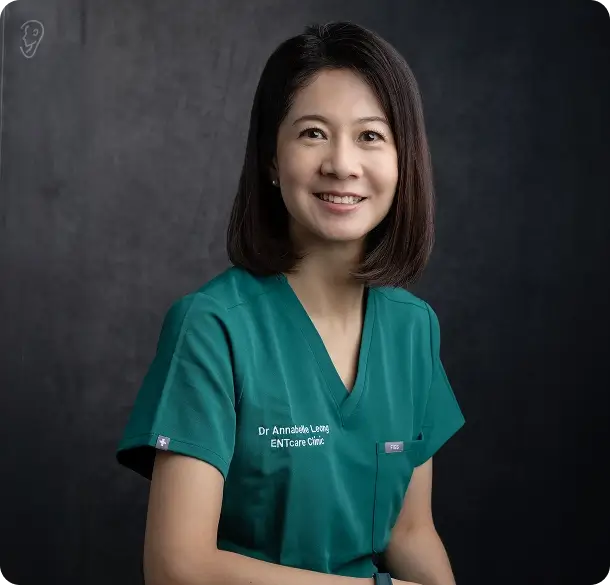
Dr Annabelle Leong 梁翠娟
Senior Consultant ENT SurgeonMBBS (Hons) (London), BSc (Hons); DOHNS, MRCS (England), FRCS ORL-HNS (England)
Woman sleeping peacefully in bed

Sleeping, Snoring and Obstructive Sleep Apnoea (OSA)

Obstructive sleep apnoea (OSA) is a serious sleep condition in which the airway repeatedly narrows or collapses, interrupting breathing and causing frequent drops in oxygen levels throughout the night.

If left untreated over time, this repeated reduction in oxygen supply can affect vital organs, including the brain and heart. OSA may increase the risk of serious health consequences such as heart failure and stroke, and has also been associated with sudden death and reduced life expectancy.

Common signs of OSA include:

  • Loud snoring
  • Daytime tiredness and fatigue
  • Poor sleep quality
  • Choking episodes during sleep

You may not notice these symptoms yourself. In many cases, a partner is the first to notice loud snoring, choking or interruptions in breathing, while their own sleep may also be disturbed.
The Importance of a Sleep Study

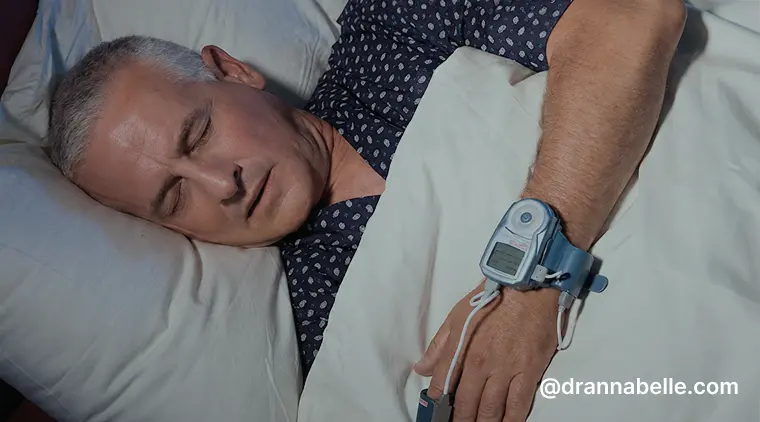
A sleep study helps diagnose OSA and determine its severity. You sleep according to your normal routine and pattern while connected via several fine cables to monitoring equipment that records what happens throughout the night.

A sleep study can monitor:

  • Episodes where breathing stops (apnoea)
  • Episodes of reduced or inadequate breathing (hypopnoea)
  • Oxygen saturation levels
  • Heart rate and breathing patterns
  • Sleeping position
  • Other obstructive breathing episodes

Most sleep studies can be undertaken at home, allowing you to sleep in your own bedroom. However, depending on your clinical needs, Dr Annabelle may recommend a more detailed sleep study in hospital.

The results provide an indication of the severity of OSA and help determine which treatment options may be most suitable.

ENTcare Clinic Logo

Concerned about snoring or sleep apnoea?

Man sleeping during a sleep study with a pulse oximeter

Treatment Options for OSA and Snoring

Treatment for snoring and OSA depends on the severity of the condition, the factors contributing to airway obstruction and your individual circumstances. As every patient is different, treatment should be selected according to your findings rather than taking a one-size-fits-all approach.

For further reading, see Dr Annabelle’s patient case study on obstructive sleep apnoea.

Continuous Positive Airway Pressure (CPAP)

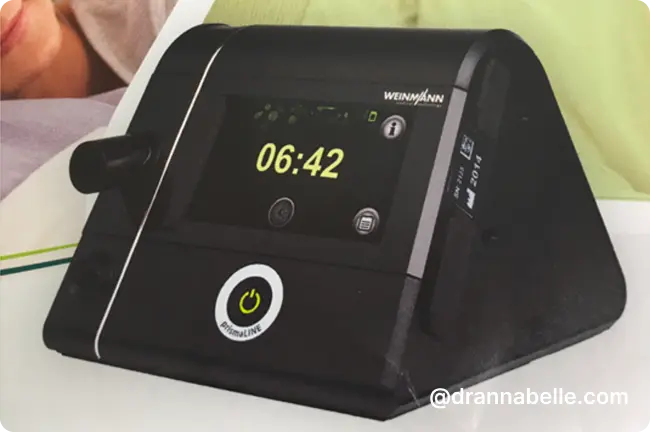
Continuous positive airway pressure (CPAP) is considered a gold-standard treatment for OSA. A small portable CPAP machine delivers pressurised air through a specially fitted mask over the nose and/or mouth, helping keep the airway open and preventing it from collapsing during sleep.

However, some patients may find CPAP uncomfortable or may not wish to wear a mask every night over the long term. Frequent travellers may also find bringing a CPAP machine with them inconvenient. For selected patients, surgery may therefore be considered as an alternative treatment option.

CPAP machine used to treat obstructive sleep apnoea

One example of a CPAP machine which is used to treat obstructive sleep apnea (OSA)

Surgery for OSA

Surgery for OSA

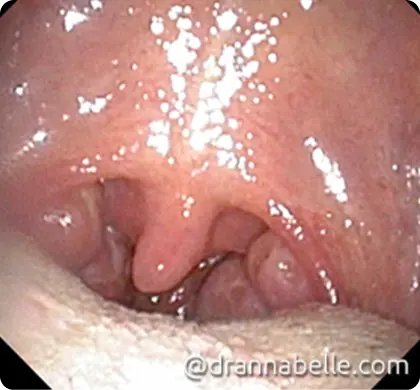
Large tonsils and a floppy soft palate are common sources of snoring and airway obstruction

Surgery for OSA

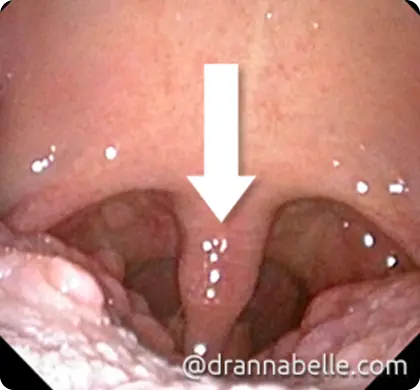
An extremely long uvula may be another source of snoring and airway obstruction, as it vibrates as a result of the turbulent airflow created. (Front view)

Surgery for OSA

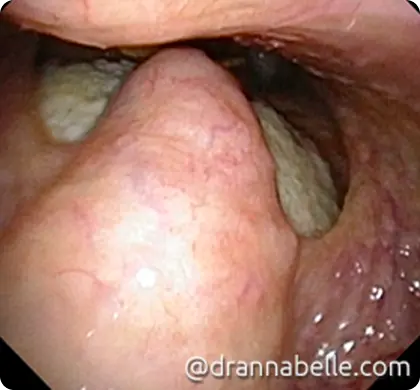
Long uvula (Back view)

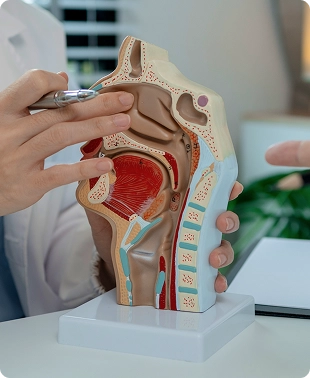
Surgery for OSA aims to address structural areas of obstruction in the nose or throat to help improve airflow and breathing. It may also play a supportive role by helping airflow from a CPAP machine to be delivered more efficiently.

Potentially correctable areas of obstruction include:

  • Enlarged nasal turbinates
  • A deviated nasal septum
  • A postnasal space mass or enlarged adenoid tissue
  • Excess or floppy soft palate and uvula tissue
  • Bulky tongue base tissue

Suitability for surgery depends on the individual patient and their assessment findings. In general, surgery may be more suitable for selected patients who are not obese and whose sleep study has not demonstrated severe OSA.

Mandibular Advancement Device

A mandibular advancement device resembles a retainer or mouthguard and is worn while you sleep. It may be particularly suitable for selected patients with a smaller jaw or whose lower jaw tends to fall backwards during sleep and contribute to airway obstruction.

The device works by moving the lower jaw forwards to help prevent the airway from narrowing or becoming blocked.

Mandivular advancement device used to treat obstructive sleep apnoea

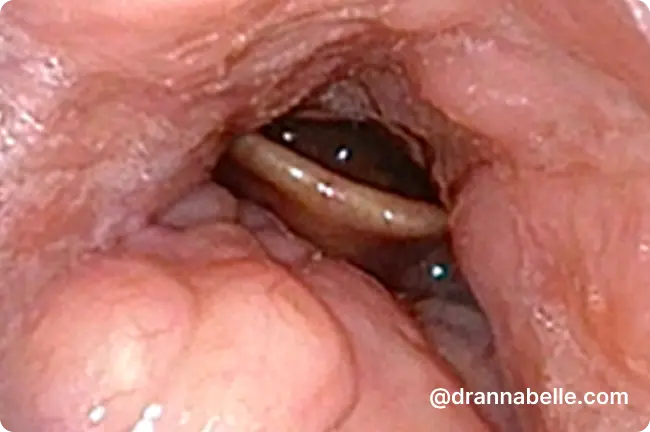
Mandibular advancement devices may help in cases where the airway obstruction is occurring at the tongue base level. Here, the tongue base appears rather bulky, worsening the airway obstruction when the tongue falls backward during sleep.

Frequently Asked Questions About Sleep Apnoea

No. Snoring can occur without sleep apnoea. However, loud or persistent snoring accompanied by breathing pauses, choking or gasping during sleep, or excessive daytime sleepiness may warrant further assessment.

Weight loss may help reduce the severity of OSA in some people where excess weight is a contributing factor. However, sleep apnoea can have several causes, including structural airway obstruction, so weight management may form only one part of treatment.

Not necessarily. How long CPAP is required depends on your OSA, response to treatment and whether contributing factors change over time. Some patients may also have other suitable treatment options depending on their individual circumstances.

Yes. Children can also develop obstructive sleep apnoea, with enlarged tonsils or adenoids among the possible contributing factors. Signs may include snoring, mouth-breathing or disturbed sleep. If you notice persistent sleep-related breathing problems in your child, an ENT assessment can help determine the cause.

Our Sleep Apnoea and Snoring Specialist

Dr Annabelle Leong

Dr Annabelle Leong 梁翠娟

Senior Consultant ENT Surgeon

MBBS (Hons) (London), BSc (Hons);

DOHNS, MRCS (England), FRCS ORL-HNS (England)

Dr Annabelle Leong is a senior consultant ENT surgeon with more than 25 years of experience across the United Kingdom, Canada and Singapore. Snoring and sleep-related breathing disorders are among her clinical interests, and she assesses both adults and children with concerns affecting breathing and sleep.

Her ENT background allows her to assess possible areas of obstruction within the nose and throat that may contribute to snoring or obstructive sleep apnoea. Depending on the findings and severity of the condition, she can advise on appropriate treatment options, including non-surgical management and surgery where indicated.

Her ENT background allows her to assess possible areas of obstruction within the nose and throat that may contribute to snoring or obstructive sleep apnoea. Depending on the findings and severity of the condition, she can advise on appropriate treatment options, including non-surgical management and surgery where indicated.

More about Dr Annabelle
Get in touch
Hear Well, Breathe Well, Sleep Well, Live Well.

Whether you are visiting ENTcare for yourself or your child, Dr Annabelle and the clinic team aim to make specialist ENT care feel approachable, supportive and easy to understand.

Clinic Address

Mount Elizabeth

Medical Centre

3 Mount Elizabeth, #15-05

Singapore 228510

Contact Information
Tel:6908 8969WhatsApp:8093 7395
Consultation Hours

Mon - Fri : 9am to 5pm

Sat : 9am - 1pm