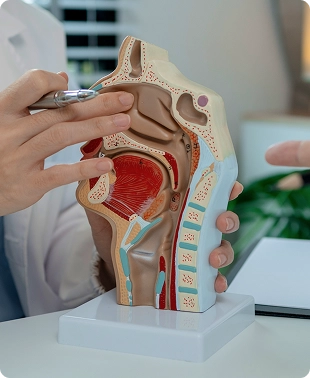



- Button Batteries Require Immediate RemovalButton batteries lodged in the nose or throat require immediate removal. They can release strong alkaline chemicals into the surrounding moist tissue, potentially causing serious damage in less than one hour.
If you suspect that your child has a button battery lodged in the nose or throat, seek medical attention immediately. - Insects Trapped in the EarInsects can sometimes become trapped in the ear in both children and adults. If this happens:
- Do not panic or attempt to remove the insect with an object.
- Baby oil or olive oil may be poured into the ear to kill the insect.
- See an ENT specialist to have it safely removed and check that the eardrum has not been injured.
Paediatric ENT Care in Singapore

Dr Annabelle Leong 梁翠娟
Senior Consultant ENT SurgeonMBBS (Hons) (London), BSc (Hons); DOHNS, MRCS (England), FRCS ORL-HNS (England)
Snoring and Breathing Problems in Children
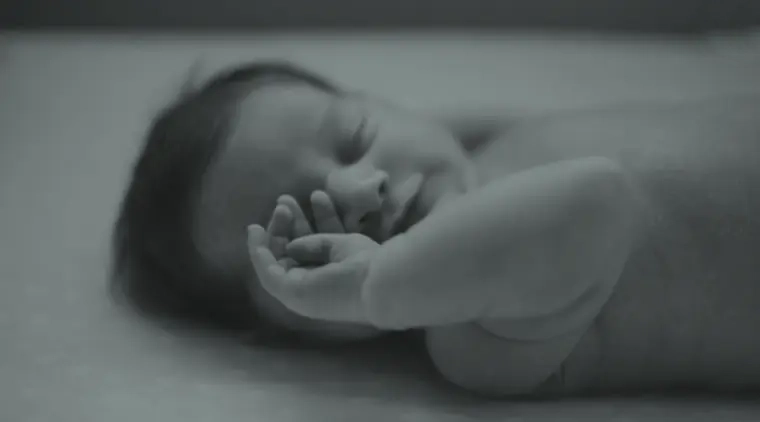
Good-quality sleep is important during childhood, when physical and mental growth and development are taking place. While snoring itself is not necessarily harmful, frequent or loud snoring may sometimes be a sign of obstructive sleep apnoea (OSA).
Signs of Obstructive Sleep Apnoea in Children
Parents may notice that their child snores loudly at night. Other signs that may suggest OSA include:
- Frequent pauses in breathing during sleep
- Waking repeatedly during the night
- Increased effort to breathe while asleep
- Bedwetting
- Changes in behaviour or attention, which may also be noticed by teachers at school
- Persistent mouth-breathing during the day
In children, OSA differs from the condition seen in adults. In an otherwise healthy child, a common cause is enlarged tonsils and adenoids at the back of the nose and throat. These can obstruct the airway during sleep, affecting breathing and sleep quality due to a chronic lack of oxygen.
Persistent mouth-breathing can also occur when enlarged tonsils or adenoids make it difficult for a child to breathe comfortably through the nose. Some studies suggest that chronic mouth-breathing over a prolonged period may contribute to a permanently elongated facial shape and structure, sometimes described as an “adenoidal face”.
What Can Cause Snoring and OSA in Children?
The tonsils and adenoids form part of a specialised ring of lymph gland tissue within the immune system and can be particularly prominent in young children. A few things parents should know:
- They may shrink naturally Tonsil and adenoid tissue often begins to shrink from around age 7, and most children no longer have large tonsils or adenoids by puberty or young adulthood.
- Removal does not negatively affect the immune system Where surgery is needed for OSA in older children and adults, other parts of the immune system, including the spleen, blood and bone marrow, continue to play important roles in fighting infection.
- A sleep study is not always needed It is usually reserved for children with other health issues or underlying syndromes, or when the diagnosis of OSA remains unclear.
- Nasal allergies can also contribute Allergic rhinitis can cause swelling inside the nose, leading to nasal congestion, a runny nose and snoring.
In children, medication is generally tried first where possible, with surgery considered if medical treatment does not sufficiently improve the problem.

Foreign Bodies in the Ear, Nose and Throat
Foreign bodies in the ears, nose and throat are relatively common in children, and a child may not always remember inserting one. Objects can include beads, small toy parts, nuts and seeds.
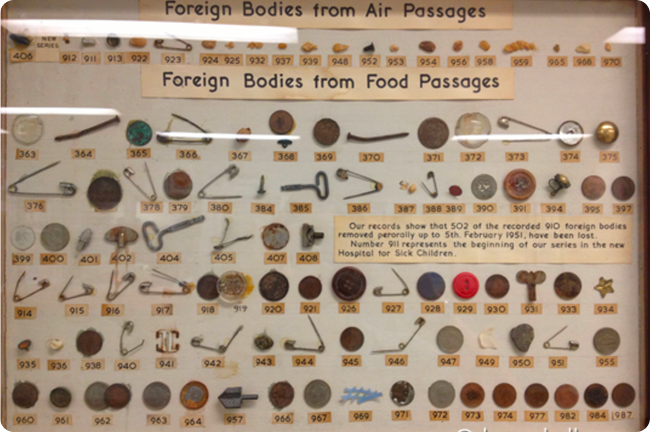
A display of all the foreign bodies removed from the air passages and the food passages of children seen at The Hospital For Sick Kids, Toronto, where I spent part of my fellowship year.

Concerned about your Child’s ENT symptoms?
Sore Throat and Tonsillitis in Children
Sore throats in children commonly occur during a bout of flu or another viral infection. Throat infections can make eating and drinking difficult. If a child is unable to swallow properly, hospital admission may sometimes be needed so that fluids, antibiotics and painkillers can be given through an intravenous drip.
Tonsillitis is another cause of sore throat and may result from a viral or bacterial infection of the tonsils. Children with tonsillitis may experience:
- A painful sore throat
- High fever
- Difficulty swallowing
- Louder snoring at night due to temporary swelling of the tonsils
Many cases settle with supportive care, including painkillers and antibiotics where appropriate. If tonsillitis occurs frequently, such as more than 3–4 times a year, surgical removal of the tonsils (tonsillectomy) may be advised to help prevent recurrent infections.
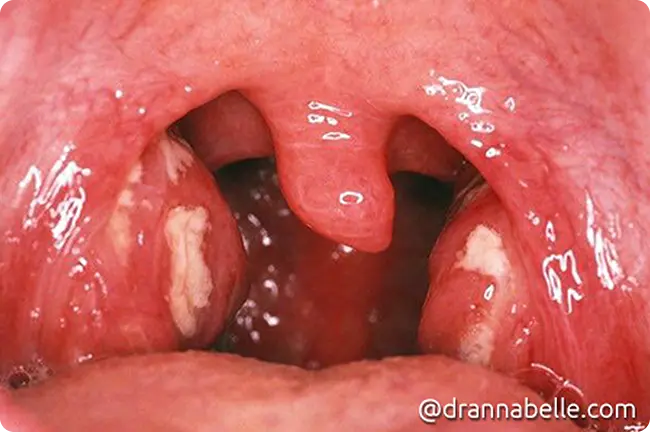
Tonsillitis infection causes a painful throat and difficulty swallowing.
Runny Nose in Children
A runny nose in children can have several causes. The type of nasal discharge and whether it affects one or both nostrils can provide useful clues to what may be causing it.
- Enlarged Adenoidal TissueThick, yellow mucus is commonly seen during a bad cold or the flu, but it may also be caused by enlarged and chronically inflamed adenoid tissue obstructing the back of the nasal passages.
The adenoids are made of specialised lymphoid tissue and can themselves become a source of persistent nasal discharge. Where enlarged, inflamed adenoids are causing the problem, surgical removal may help clear the nose, improve the discharge and allow the child to breathe more easily.
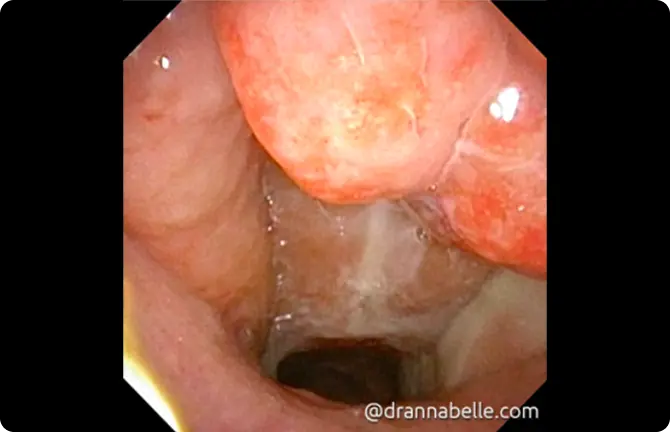
Enlarged and inflamed adenoid tissue at the back of the nose covered in thick yellow mucus secretions.
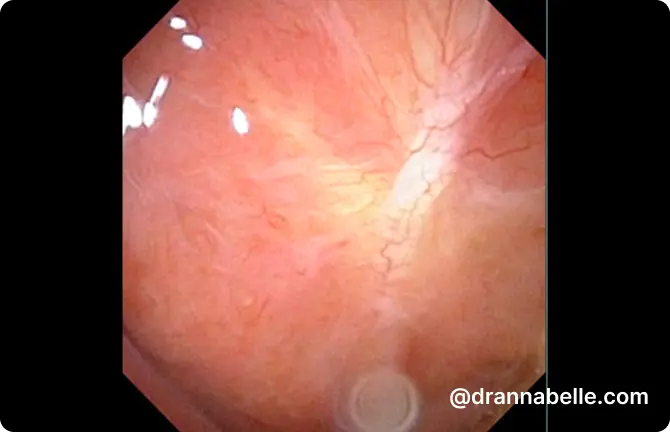
After removal of the adenoidal tissue (adenoidectomy), the space behind the nose (postnasal space) is now flat, clean and no longer blocks the back of the nose.
- Foreign Body Trapped in the NoseA persistent discharge from only one nostril, particularly in a toddler, can be a warning sign that a foreign body is trapped inside the nasal passage.
The nasal passage should be carefully examined to rule out a retained foreign object.
- Nasal AllergiesRecurrent clear, watery discharge from both nostrils may be related to nasal allergies. The nasal lining becomes chronically irritated and swollen, which can cause congestion and increased mucus production.
Allergy testing may help identify triggers so exposure can be minimised. House dust mite is the most common allergy trigger in Singapore. Treatment may include:
- Medication: Saline nasal washes (douche), steroid nasal sprays and antihistamine syrups such as loratadine or Telfast.
- Desensitisation therapy: May be considered for grass and house dust mite allergies. This can involve a daily tablet placed under the tongue and may require treatment for up to 3 years.
- Radiofrequency ablation of the inferior turbinates (RFIT): A simple, short day-case procedure used to safely reduce enlarged, swollen tissue inside the nose so that the child can breathe more clearly.
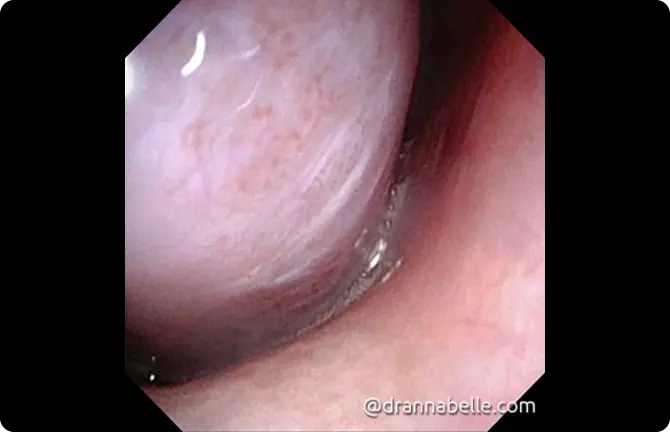
The enlarged pale turbinate soft tissue (upper left) is so swollen that its surface is touching the septum (right) and blocking the nasal airway, making it difficult to breathe through the nose.
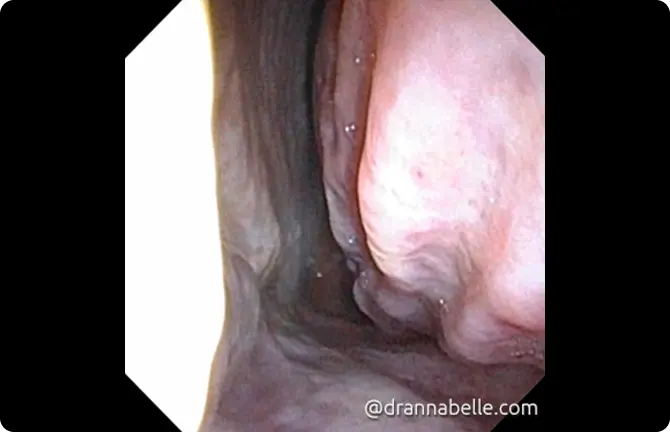
1 month after reducing the swollen turbinate tissue inside the nose by using radiofrequency ablation (RFIT), the turbinate tissue has greatly shrunk in size, allowing easy breathing through the nose. RFIT is a safe and simple procedure performed as minor daycase surgery.
Frequently Asked Questions About Children’s ENT
Children can be assessed by an ENT specialist at different ages depending on the concern. Persistent problems involving the ears, nose, throat, breathing or sleep may warrant an ENT assessment, particularly when symptoms are recurring or affecting everyday activities.
ENT problems can be common during childhood as the ears, nose and throat continue to develop and children are frequently exposed to infections. Recurring symptoms can also have other underlying causes, so persistent or frequent problems may warrant further assessment.
Yes. Certain ENT problems can interfere with sleep or comfortable breathing, which may affect how a child feels and functions during the day. For example, the existing page notes that children with OSA may show behavioural changes or attention difficulties that are sometimes noticed by teachers.
Whether a referral is required can depend on how you are accessing care and your insurance arrangements. If you intend to make an insurance claim, it is worth checking your policy requirements before arranging the appointment.

Our Paediatric ENT Specialist

Dr Annabelle Leong 梁翠娟
Senior Consultant ENT Surgeon
MBBS (Hons) (London), BSc (Hons);
DOHNS, MRCS (England), FRCS ORL-HNS (England)
Dr Annabelle Leong is a senior consultant ENT surgeon with more than 25 years of experience across the United Kingdom, Canada and Singapore. Paediatric ENT is one of her clinical interests, and she assesses children with concerns involving the ears, nose and throat, including snoring and breathing problems, recurrent tonsillitis, nasal allergies and foreign bodies.
She takes a conservative approach where appropriate, with medical treatment considered before surgery for many childhood ENT conditions. Where a procedure is needed, Dr Annabelle discusses the treatment and what parents can expect for their child.