



Nose and Sinus Treatment in Singapore

Dr Annabelle Leong 梁翠娟
Senior Consultant ENT SurgeonMBBS (Hons) (London), BSc (Hons); DOHNS, MRCS (England), FRCS ORL-HNS (England)

Blocked Nose: When Should You Get It Checked?

Most people experience a blocked nose from time to time, particularly during a bad cold. However, if the blockage persists or tends to affect only one side of the nose, it is important to have it assessed.

There are several possible causes of persistent nasal blockage, including:

  • Allergic rhinitis (hay fever)
  • Sinusitis, or infection of the sinus air spaces
  • Nasal polyps
  • Benign nasal tumours
  • A deviated nasal septum, which is the partition separating the two nasal passages
  • Enlarged inferior turbinates, which are structures within the nose that help warm and humidify airflow
  • Malignant growths, including tumours of the sinuses or the back of the nose (postnasal space)
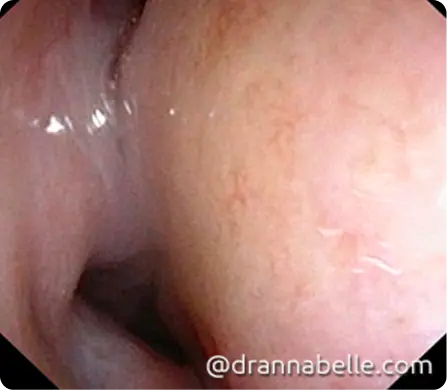
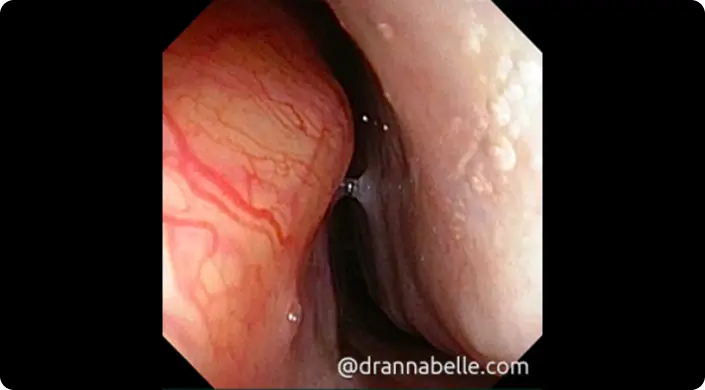
Swollen turbinate soft tissue inside the nose blocking off the nasal passage

Swollen turbinate soft tissue inside the nose blocking off the nasal passage.

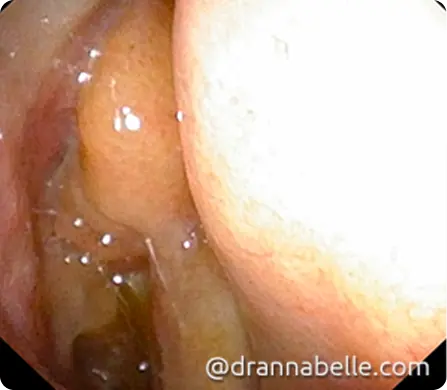
Nasal polyps originating from a thickened lining of the nose

Nasal polyps are usually benign growths which originate from a thickened lining of the nose. If they continue to grow, this will lead to persistently blocked nose with reduced sense of smell and sinus infections.

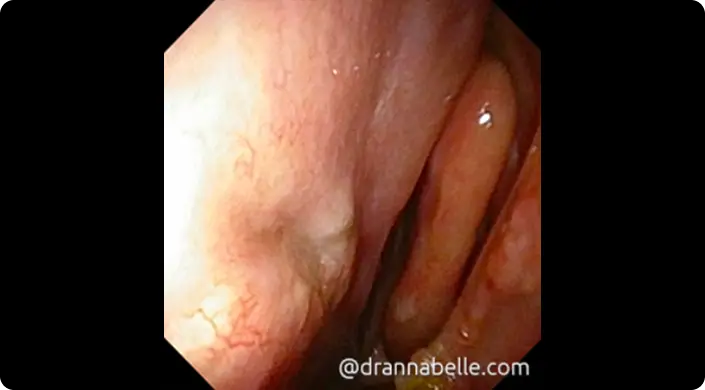
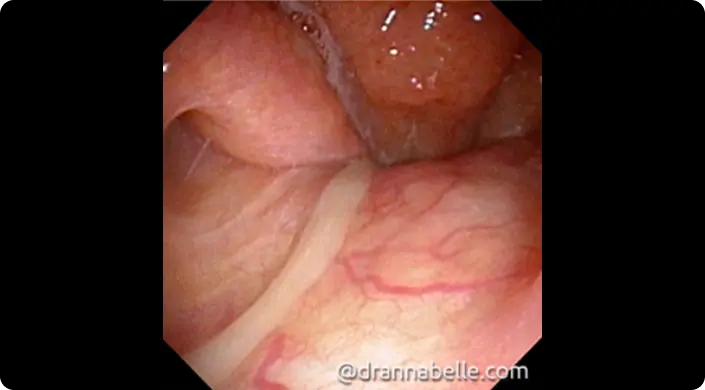
A band of scar tissue between the turbinate and the nasal septum

A band of scar tissue has formed between the turbinate soft tissue on the side wall of the nose and the nasal septum, leading to a persistent blocked nose.

How Is a Persistent Blocked Nose Assessed and Treated?

A thorough ear, nose and throat examination can help identify what is causing persistent nasal blockage. This may include a flexible nasoendoscopy, where a soft, thin camera is passed through the nose to examine the nasal passages, back of the nose, throat and voice box, with photographs taken where needed.

Treatment is directed at the underlying cause. Medication, such as tablets or nasal sprays, may be recommended first. If medication does not relieve the blockage, surgery may be considered.

Treatment Goal

Improve drainage of blocked sinuses

Procedure That May Be Considered

Functional endoscopic sinus surgery (FESS)

Treatment Goal

Straighten a deviated nasal septum

Procedure That May Be Considered

Septoplasty

Treatment Goal

Remove enlarging nasal polyps or other growths

Procedure That May Be Considered

Polypectomy

Treatment Goal

Reduce enlarged inferior turbinate tissue

Procedure That May Be Considered

Radiofrequency ablation of the inferior turbinates (RFIT) or turbinoplasty

Radiofrequency ablation of the inferior turbinates (RFIT) is a relatively minor procedure that shrinks enlarged inferior turbinate tissue to improve the nasal airway. Turbinoplasty provides another effective, longer-term option for reducing enlarged turbinate tissue and improving airflow through the nose.

ENTcare Clinic Logo

Troubled by persistent nasal blockage?

Troubled by persistent nasal blockage?

Deviated Nasal Septum

The nasal septum separates the left and right nasal passages. While it is rarely perfectly straight, a significantly deviated septum or protruding bony spur can narrow the nasal passage and cause blockage. A deviated septum may also result from previous nasal trauma.

Septoplasty straightens the septum to improve airflow and is often combined with radiofrequency ablation of the inferior turbinates (RFIT) or turbinoplasty to reduce enlarged turbinate tissue along the side walls of the nose.

Septoplasty alone may be performed as day surgery. When combined with turbinoplasty:

  • An overnight hospital stay may be required.
  • Nasal sponges are temporarily inserted to prevent postoperative nosebleeds and removed the following morning before discharge.
  • Weekly clinic visits are typically arranged for the first month to gently clean the nose with suction and support healing.
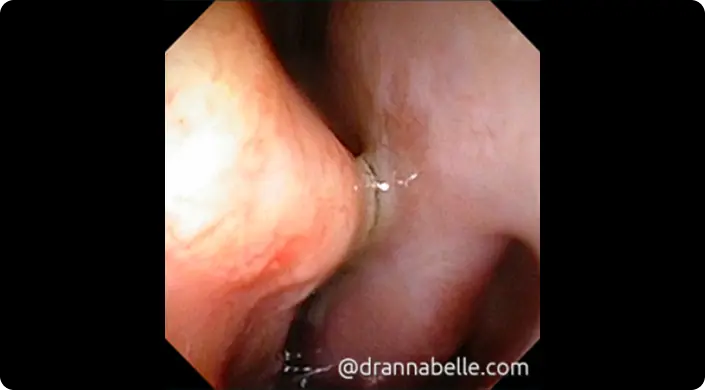
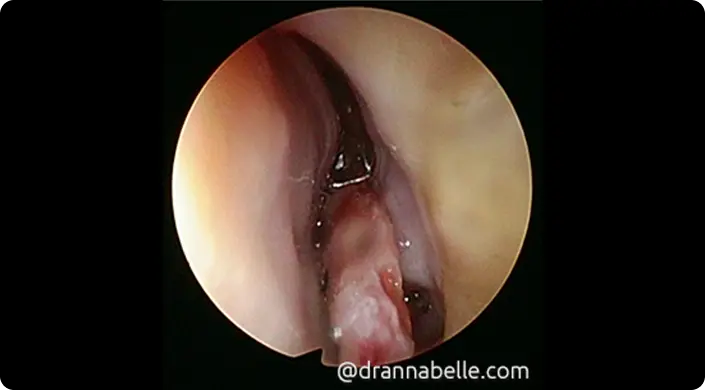
A large bony spur jutting out into the left nasal passage

A large bony spur jutting out into the left nasal passage, touching the left turbinate and blocking off the nasal passage.

After undergoing septoplasty to remove the large bony spur

After undergoing septoplasty to remove the large bony spur, my patient could now breathe clearly.

Nose and Sinus Infections (Sinusitis)

Sinusitis can develop when the sinuses, the air spaces within the skull, become infected, sometimes following a bad cold or the flu.

Common symptoms include:

  • Yellow or green nasal discharge
  • A blocked nose
  • Reduced sense of smell
  • Headaches
  • A persistent foul smell from inside the nose

In young children, a persistent runny nose and mouth-breathing may instead be caused by inflammation of the adenoid tissue at the back of the nose. This is because the sinuses are not yet fully developed in younger children.

First-line treatment usually includes antibiotics, nasal decongestant sprays and saline nasal washes, with most infections clearing within about a week.

If symptoms persist:

  • Flexible endoscopy may be used to examine the nasal passages and sinus openings for other problems such as nasal polyps.
  • Functional endoscopic sinus surgery (FESS) may be considered for persistent or recurrent infections to improve sinus drainage.

FESS clears blocked sinus drainage pathways so secretions can flow freely again. It is performed under general anaesthesia with an endoscopic camera and no external nasal incisions. A special balloon may sometimes be used to widen blocked sinus pathways.

After FESS:

  • Patients usually stay overnight, although day surgery may be possible.
  • Nasal sponges are inserted to prevent postoperative nosebleeds and removed the following day before discharge.
  • Follow-up involves gentle suction in the clinic to remove crusts and dried secretions and support healing.
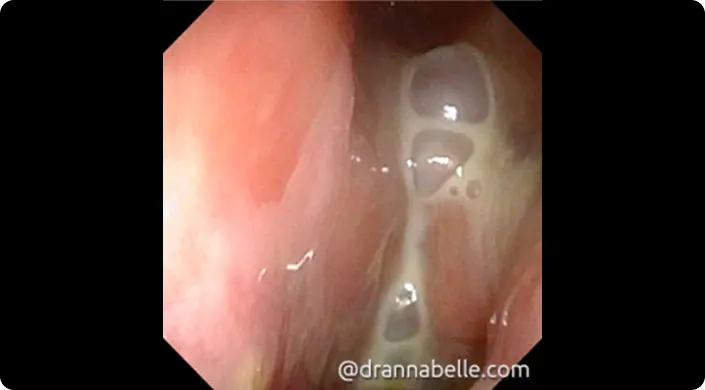
Thick trail of yellow pus coming from the sinuses

Thick trail of yellow pus (infected fluid) coming from the sinuses and flowing down the back of the nose and throat.

Recurrent sinus infections with thick pus in the nose and sinuses

A 45 year old patient of mine had been suffering from recurrent sinus infections for many months. Examination revealed a lot of thick pus trapped inside his nose and sinuses, which explained why multiple courses of antibiotics had not completely resolved the problem. He underwent endoscopic sinus surgery to wash the infected area out and clear the drainage pathway of his sinuses.

Nasal Polyps

Nasal polyps are benign growths that develop from the lining of the nose.

They often have a yellowish, grape-like appearance and may:

  • Cause persistent nasal blockage
  • Reduce your sense of smell
  • Block the natural drainage pathways of the sinuses, contributing to recurrent sinus infections

The exact cause of nasal polyps is not known, although they are thought to be associated with underlying nasal allergies.

Treatment may initially involve steroid nasal sprays to control or shrink the polyps. Steroid tablets may sometimes be prescribed when a greater reduction in size is needed.

Nasal polyps usually occur in both nasal passages. If a polyp is found only on one side, further investigation may be needed to rule out more concerning causes.

This can include:

  • Flexible nasal endoscopy
  • A CT scan
  • Biopsy of the growth

If the polyps do not respond to medication, they may be surgically removed through FESS. This is performed entirely inside the nose with an endoscopic camera, without external incisions, to remove the polyps and restore the nasal airway.

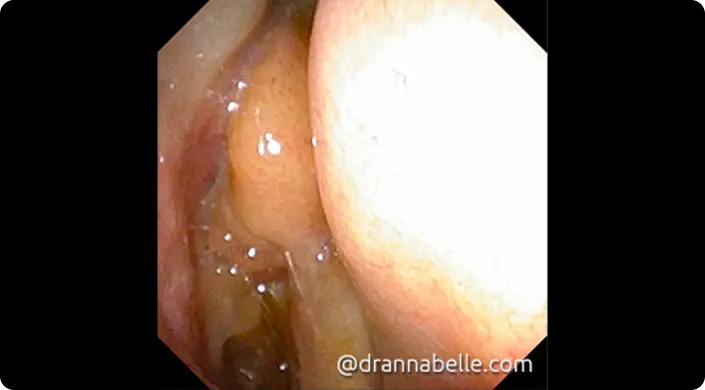
Nasal polyps with a slightly yellowish or greyish grape-like appearance

Nasal polyps are slightly yellowish or greyish grape-like growths which may enlarge to block the nose and give rise to sinus infections.

Inflammatory polyp causing left-sided nasal blockage

This 38 year old patient had persistent left-sided nasal blockage for several months. Examination revealed an inflammatory polyp which was obstructing the drainage of his sinuses and causing recurrent infection. After the polyp was removed, his sinus infections resolved and he could breathe clearly through the left side of his nose again.

Nosebleeds

Nosebleeds are common in both children and adults. They most often originate from the front of the nasal septum, where delicate blood vessels can bleed easily.

Common causes and contributing factors include:

  • Nose picking
  • Seasonal changes, such as cold winter conditions
  • Hay fever
  • Blood-thinning medication
  • Nasal trauma

Simple treatment may involve applying an antiseptic ointment inside the nose or silver nitrate cautery, which uses a specially coated stick to seal the fragile blood vessels. Cautery can be performed in the clinic with local anaesthetic cream for comfort.

If nosebleeds persist despite treatment, an ENT assessment is recommended to rule out more concerning causes, including a tumour inside the nose. A soft, thin flexible endoscope can be passed through the nose to examine both nasal passages and the back of the nose. The procedure is generally well tolerated, including by older children.

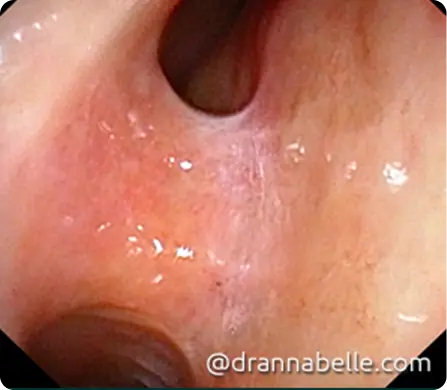
Prominent blood vessels close to the surface of the nasal lining

Prominent blood vessels run very close to the surface of the lining of the nose and are easily injured.

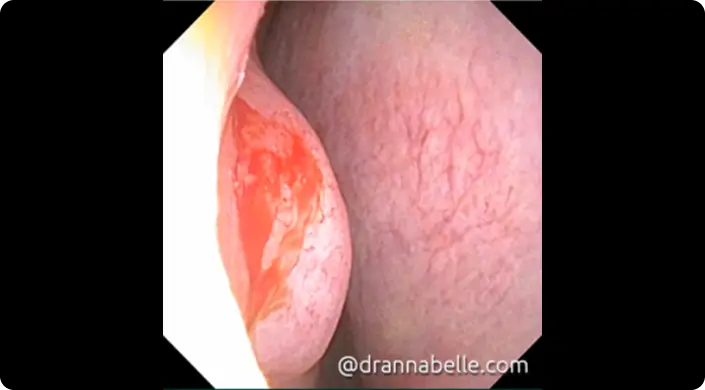
Nosebleeds originating from blood vessels on enlarged turbinate tissue

This patient suffered nosebleeds which originated from blood vessels lying on the anterior part of his enlarged turbinate soft tissue.

Frequently Asked Questions About Nose and Sinus Problems

Some sinus infections may improve without further treatment, particularly when associated with a viral infection such as a cold. However, symptoms that persist, recur frequently or worsen may require assessment to determine whether another problem is affecting the sinuses.

Yes. Sinusitis does not always present in the same way. Some people may experience symptoms such as nasal discharge, reduced sense of smell or an unpleasant smell from the nose without significant nasal blockage.

Persistent one-sided nasal blockage can have several causes, including a deviated septum, a polyp or another growth within the nasal passage. Because unilateral blockage can occasionally have a more concerning cause, persistent symptoms should be assessed.

Nosebleeds that occur repeatedly, are difficult to stop or continue despite simple treatment should be assessed. An ENT examination can help identify the source of bleeding and check for an underlying problem within the nose.

Our Nose & Sinus Specialist

Dr Annabelle Leong

Dr Annabelle Leong 梁翠娟

Senior Consultant ENT Surgeon

MBBS (Hons) (London), BSc (Hons);

DOHNS, MRCS (England), FRCS ORL-HNS (England)

Dr Annabelle Leong is a senior consultant ENT surgeon with more than 25 years of experience across the United Kingdom, Canada and Singapore. She assesses nose and sinus concerns in both adults and children, including persistent nasal blockage, sinus infections, nasal polyps and recurrent nosebleeds.

Depending on the cause, Dr Annabelle can advise on medical treatment or procedures such as septoplasty, turbinate surgery and functional endoscopic sinus surgery (FESS) where appropriate.

Depending on the cause, Dr Annabelle can advise on medical treatment or procedures such as septoplasty, turbinate surgery and functional endoscopic sinus surgery (FESS) where appropriate.

More about Dr Annabelle
Get in touch
Hear Well, Breathe Well, Sleep Well, Live Well.

Whether you are visiting ENTcare for yourself or your child, Dr Annabelle and the clinic team aim to make specialist ENT care feel approachable, supportive and easy to understand.

Clinic Address

Mount Elizabeth

Medical Centre

3 Mount Elizabeth, #15-05

Singapore 228510

Contact Information
Tel:6908 8969WhatsApp:8093 7395
Consultation Hours

Mon - Fri : 9am to 5pm

Sat : 9am - 1pm